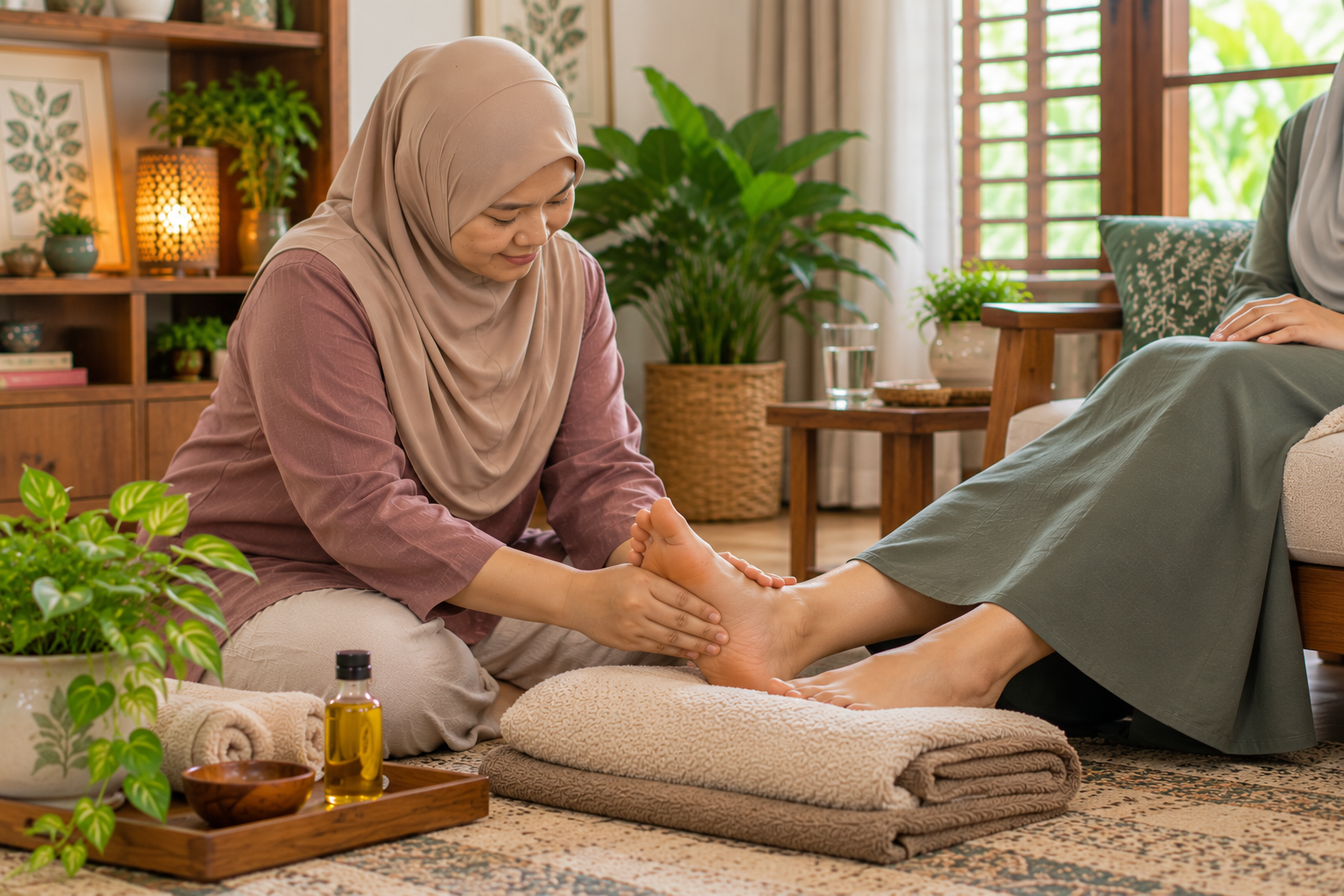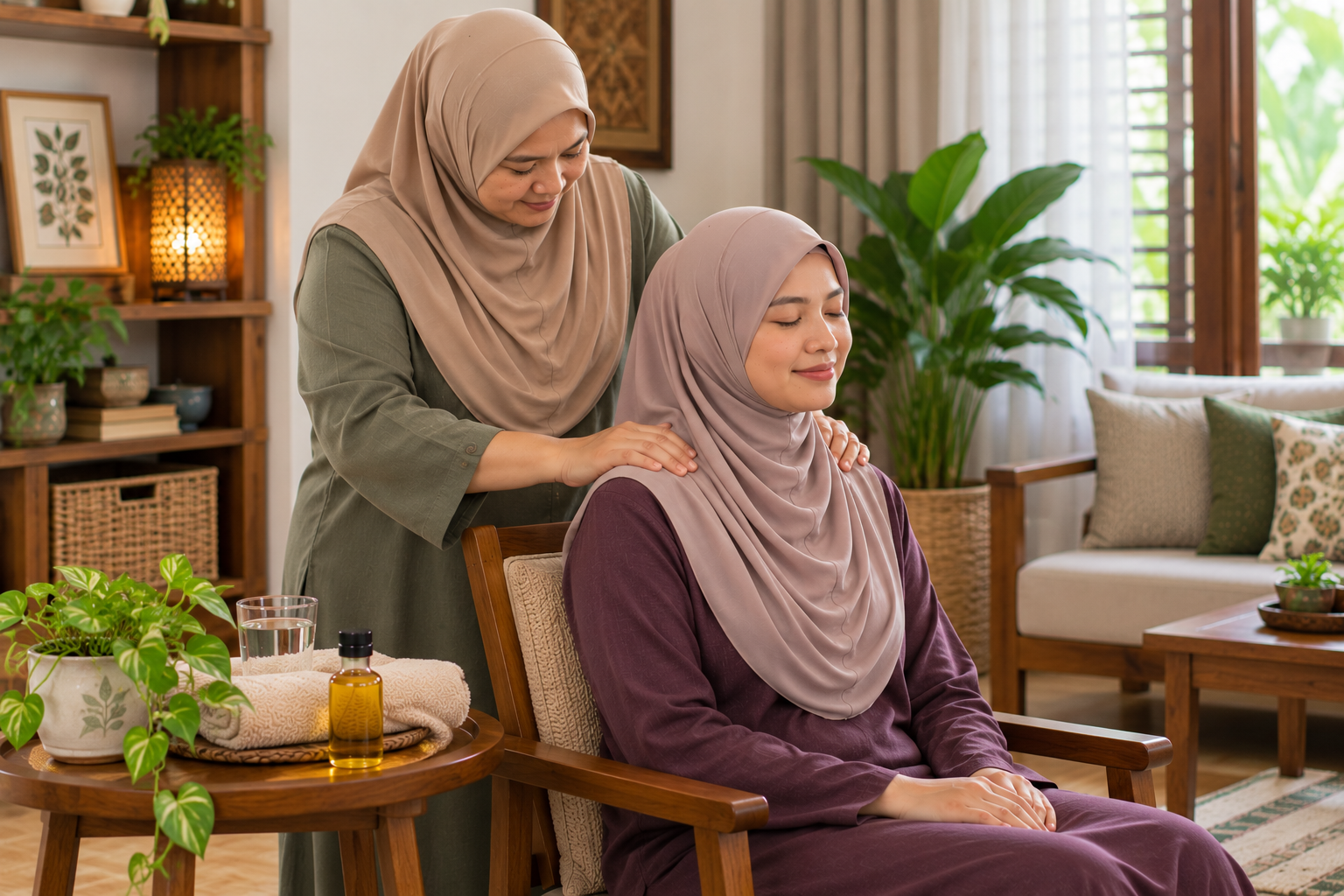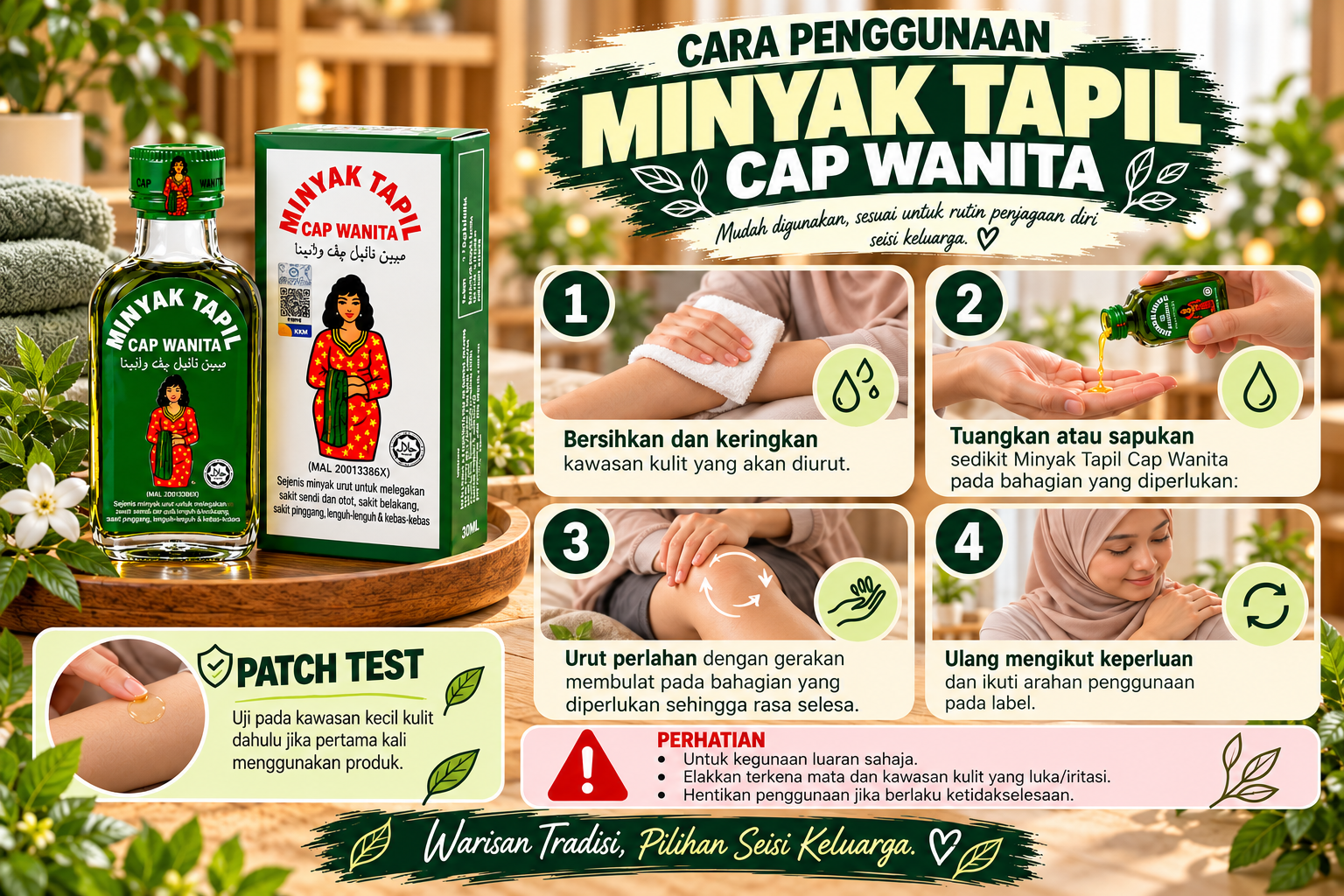
Minyak Tapil Cap Wanita Usage
How to Use Minyak Tapil 1️⃣ Clean the skin – Ensure the area is clean and dry. 2️⃣ Apply a small amount – Use on the desired area. 3️⃣ Massage gently – Massage...
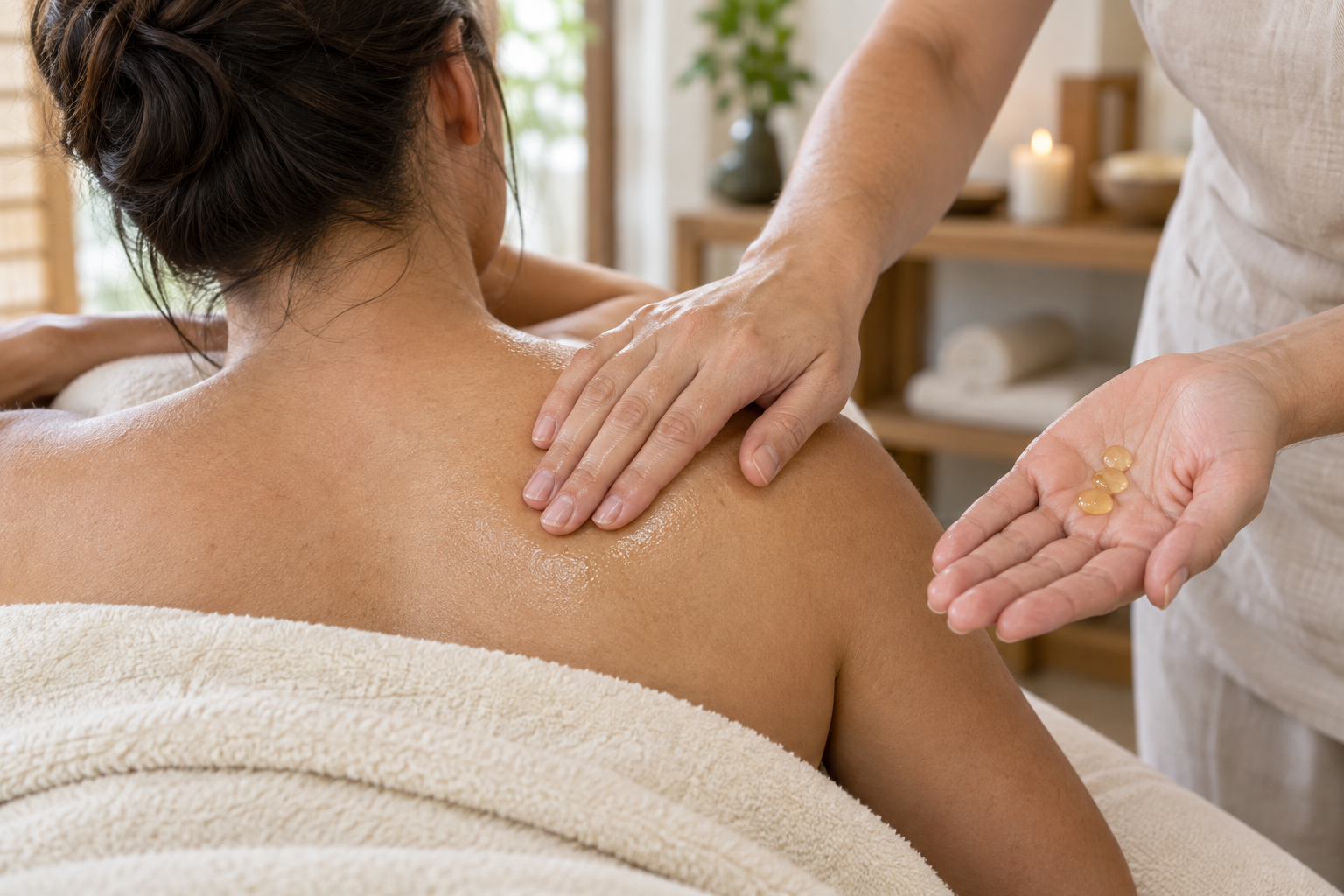
Massage oil creates a thin layer that reduces friction between the hands and skin. This allows longer strokes to move more smoothly and makes pressure easier to control. Begin with a few drops, add only when needed, and stop if the skin develops stinging, excessive heat or persistent discomfort.
Key points to understand
When skin is massaged without oil, the hands may not glide smoothly. Excessive friction can pull the skin and cause stinging or redness, especially when the same area is worked repeatedly.
A thin layer of oil helps the hands glide across the skin. Research on skin friction has shown that oil treatment can reduce frictional force at the skin surface. During massage, this makes long strokes, gliding movements and gentle kneading more comfortable.
More oil is not necessarily better. Excess oil may make the surface so slippery that pressure becomes difficult to control. Begin with a few drops and add more gradually according to the size of the area being massaged.
How to include it in a routine
When the hands move without catching on the skin, pressure can be applied more evenly and adjusted to the recipient's comfort. Larger areas such as the shoulders, back, thighs and calves may require longer strokes. Smaller areas such as the palms, wrists and neck usually need less oil.
Massage does not have to be forceful. Excessive pressure may cause discomfort or bruising, especially in people with sensitive skin, those taking blood-thinning medicines or those with certain health conditions.
Pour a small amount into the palm and rub both hands together before touching the skin. Begin with slow movements and increase pressure gradually. Do not massage broken, inflamed or infected skin, or an area that has recently sustained a serious injury.
Practical Use Guide
For the shoulder or calf, spread the oil with the palm before beginning long strokes. Keep full contact with the skin and move slowly so pressure does not change suddenly. On a small area such as the palm, use light thumb circles and less oil so the fingers do not slip.
Add more only when the hands begin to catch. If the surface remains too slippery after a few minutes, remove the excess with a clean towel and continue with lighter pressure. Ask the recipient for feedback throughout, particularly when massaging an older adult or someone who bruises easily.
Put safety first
Check that the skin is clean and free from wounds, rashes or infection before massage. Start with a small amount, use slow strokes and watch the skin throughout the session.
Do not combine a topical oil with a heating pad or tight covering. Wash the hands after use and stop if burning, itching, swelling or persistent redness develops.
Evaluate the experience realistically
Reasonable outcomes include smoother hand movement, better pressure control and comfortable skin. A more slippery texture or stronger aroma does not automatically make an oil more suitable.
Describe massage oil as an aid to application within a self-care routine. It does not replace assessment or treatment for severe pain, swelling, numbness or serious injury.
A gentle connection to Minyak Tapil Cap Wanita
Minyak Tapil Cap Wanita may be included in a daily massage routine. Its texture helps the hands glide while providing its characteristic aroma and application sensation. Follow the label directions and stop using it if irritation occurs.
#MassageOil #MassageTechnique #SafeMassage #SelfCare #MinyakTapilCapWanita
Noor Bulan
Updated
Information on this site is for general information only and is not a substitute for professional medical advice. Consult a qualified healthcare practitioner for any health condition.
How to Use Minyak Tapil 1️⃣ Clean the skin – Ensure the area is clean and dry. 2️⃣ Apply a small amount – Use on the desired area. 3️⃣ Massage gently – Massage...
Key points to understand A supported, gentle routine may feel comfortable when tiredness is ordinary and both legs appear normal. It is not appropriate to massa...
Key points to understand A gentle shoulder routine can support relaxation, but it does not correct an undiagnosed neck or nerve problem. Work posture, screen he...
Install App