Minyak Tapil Cap Wanita Usage
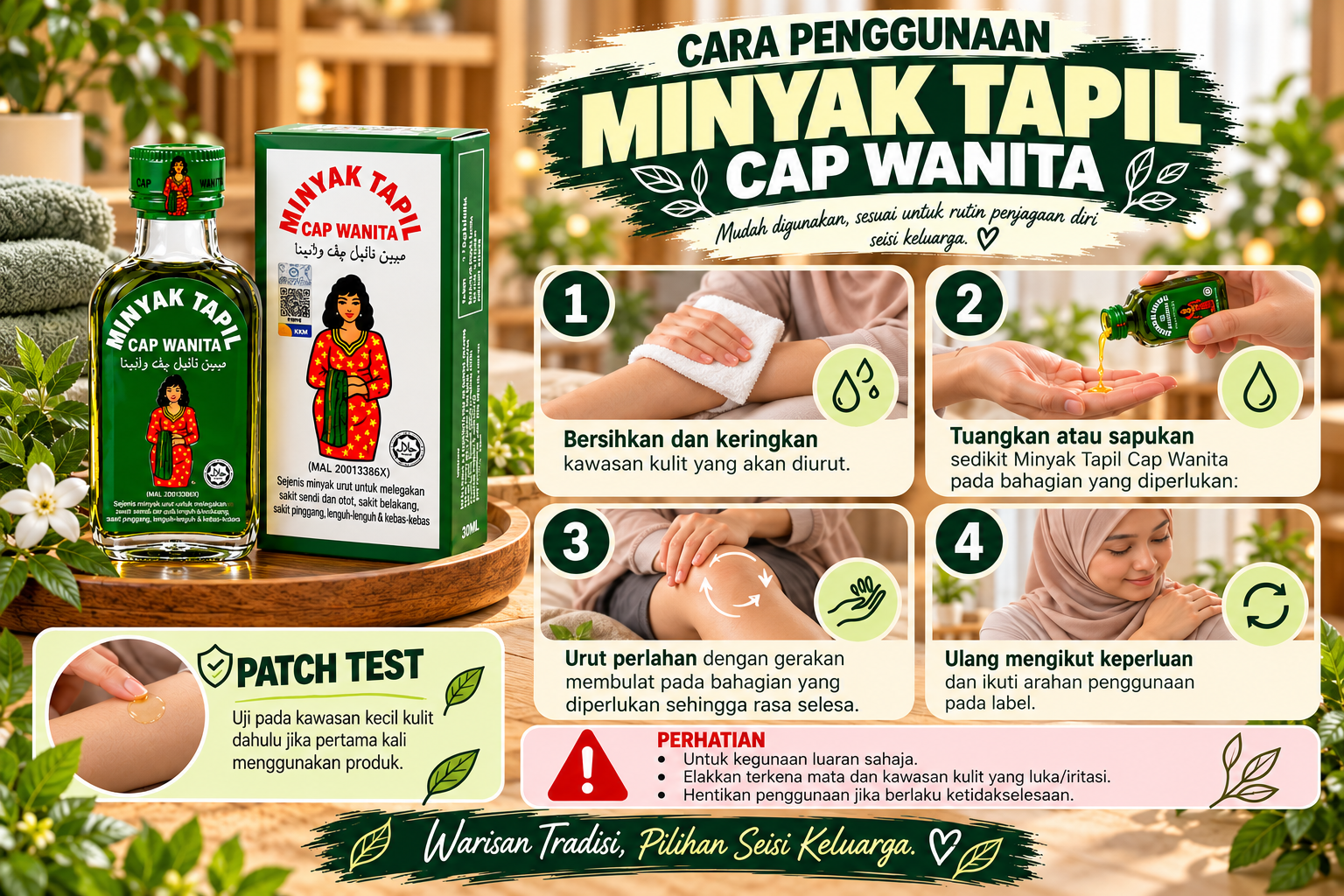
How to Use Minyak Tapil 1️⃣ Clean the skin – Ensure the area is clean and dry. 2️⃣ Apply a small amount – Use on the desired area. 3️⃣ Massage gently – Massage...
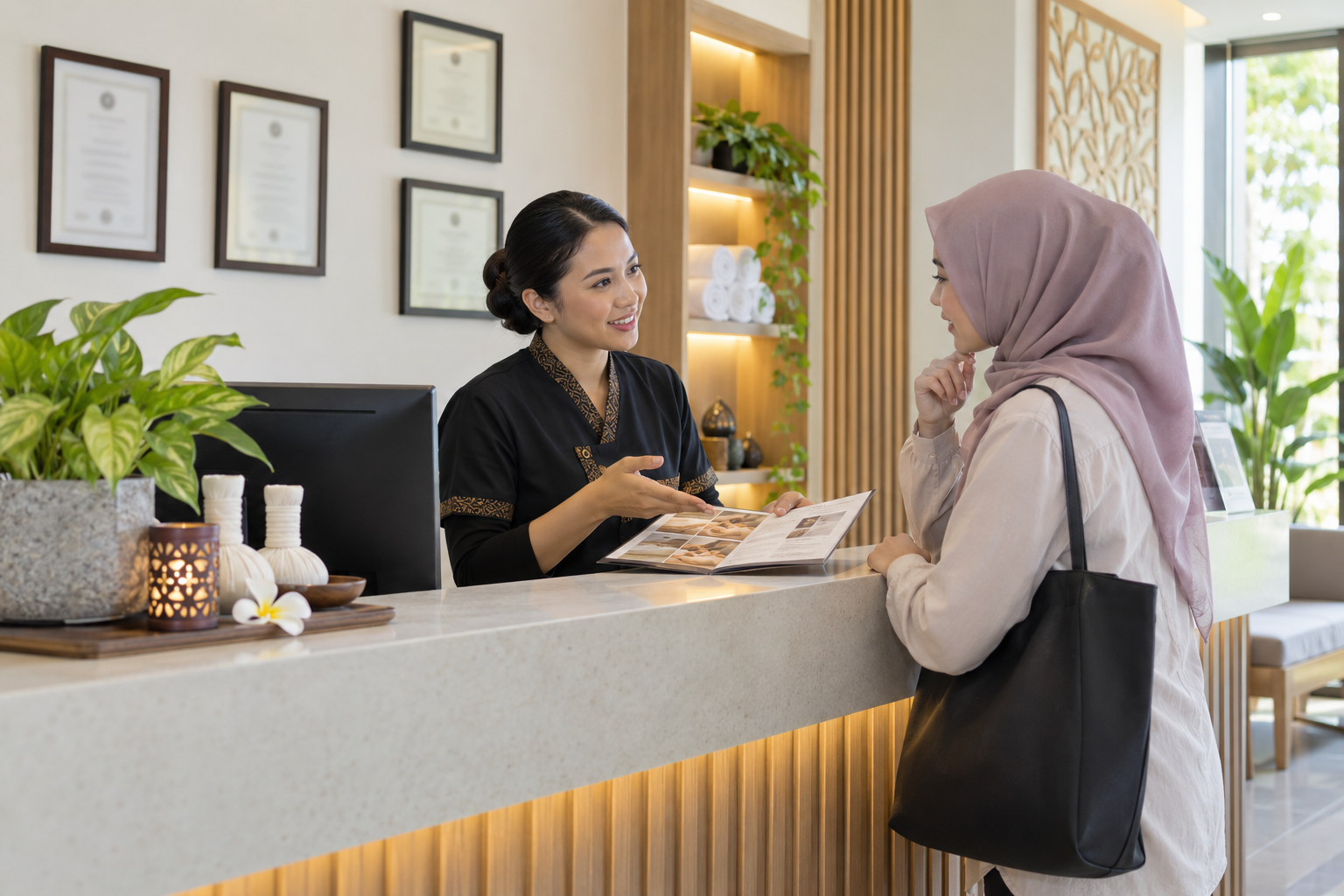
Before choosing a traditional massage practitioner, identify the type of service, verify their training and registration, and assess their communication. Ensure the space, towels, and products are clean and your privacy is respected. Avoid practitioners who promise guaranteed cures. Stop the session if you experience sharp pain, numbness, dizziness, or burning sensations.
Before looking for a practitioner, decide what kind of experience you want. Are you seeking a relaxing massage, traditional Malay massage, postnatal massage, or another style? Each service requires different skills and boundaries. Avoid practitioners who claim they can treat every illness and type of injury.
Explain your goal simply—for example, that you want to relax or receive a gentle massage on your shoulders. If you have undiagnosed pain, an injury, a recent surgery, or concerning symptoms, seek a medical assessment before booking a massage.
Malaysia has the Traditional and Complementary Medicine Act 2016, also known as Act 775, as well as the Traditional and Complementary Medicine Council. Traditional Malay Medicine is one of the recognised fields of practice. Registration and practising-certificate requirements may change, so check the latest information through the Traditional and Complementary Medicine Division of Malaysia’s Ministry of Health.
Ask the practitioner about their training, professional body, and scope of practice. Certificates are not merely decorative—the information should be verifiable. For specialised services such as postnatal care, look for relevant training and ensure the practitioner is prepared to consider the type of delivery, any wounds, and advice from healthcare professionals.
If you are unsure, ask for the relevant registration or certification number before making payment. Transparent practitioners can usually explain their qualifications without avoiding the subject. Verify the information through official channels, as photographs of certificates on social media may be outdated, cropped, or may not reflect the practitioner’s current status.
A good practitioner asks about your health history, preferred pressure level, and areas that should be avoided. They explain what they will do and ask for your consent. They do not ridicule clients who request lighter pressure or refuse massage on certain areas.
Be cautious if a practitioner promises a guaranteed cure, tells you to stop taking medication, frightens you with an unsupported diagnosis, or refuses to answer questions. Traditional practitioners and medical professionals can play different roles without one carelessly replacing the other.
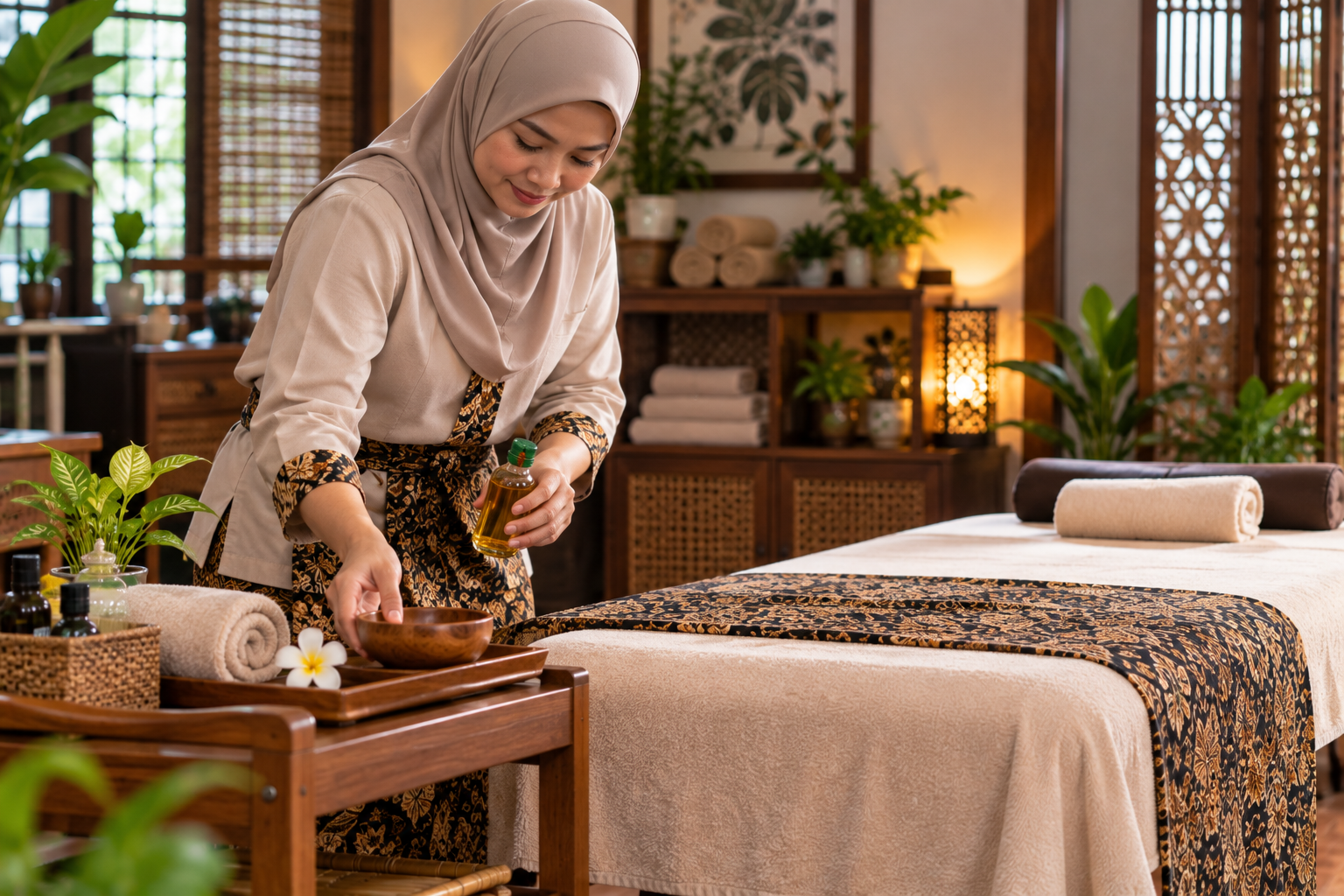
Fresh, clean towels should be used for every client, contact surfaces should be cleaned, and the practitioner should wash their hands. Product bottles should be properly labelled and securely closed. Avoid places that use oil from dirty containers, mix ingredients without explanation, or apply products to broken skin.
Privacy is also important. The room should have appropriate coverings or partitions, and only the area being massaged should be exposed. Phones or cameras must not be used without clear permission.
Some pressure may be felt during the session, but sharp pain, numbness, dizziness, or a burning sensation are reasons to stop. You have the right to end the session even if you have already paid. Safety should never be sacrificed because you feel embarrassed.
If Minyak Tapil Cap Wanita is used by a practitioner or as part of a home routine, ensure the bottle is labelled and the oil is applied according to the instructions on suitable skin. Even a good product must be used respectfully, in a clean environment, and with realistic expectations.
Awang Kinchai
Updated
Information on this site is for general information only and is not a substitute for professional medical advice. Consult a qualified healthcare practitioner for any health condition.
How to Use Minyak Tapil 1️⃣ Clean the skin – Ensure the area is clean and dry. 2️⃣ Apply a small amount – Use on the desired area. 3️⃣ Massage gently – Massage...
Key points to understand There is no single movement sequence that represents every Malay practitioner. Long strokes, kneading, focused pressure, aromatic oils...
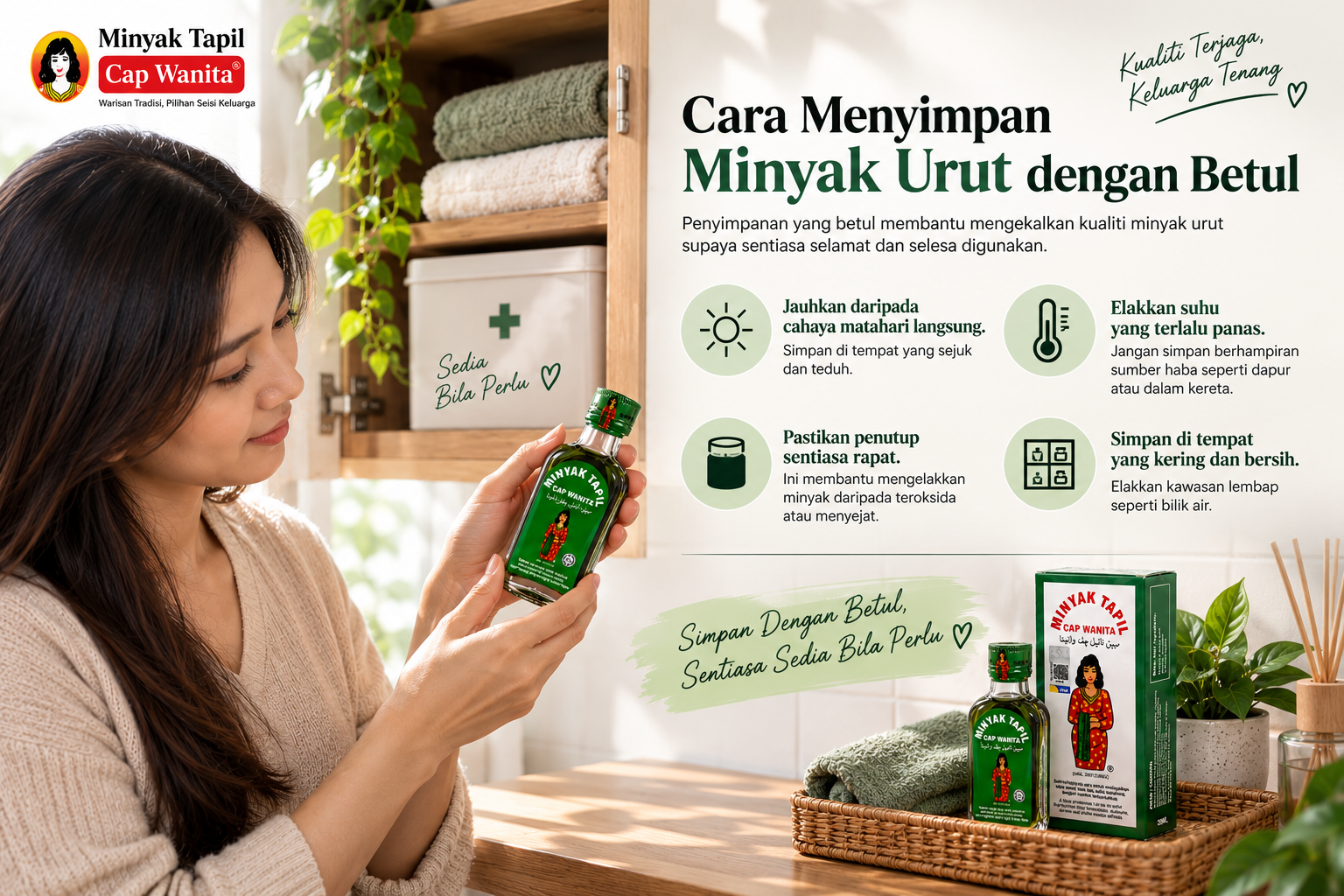
Key points to understand Oil should remain in its original container or a clean, labelled dispenser. Replace the cap after use and do not let the bottle opening...
Install App