Minyak Tapil Cap Wanita Usage
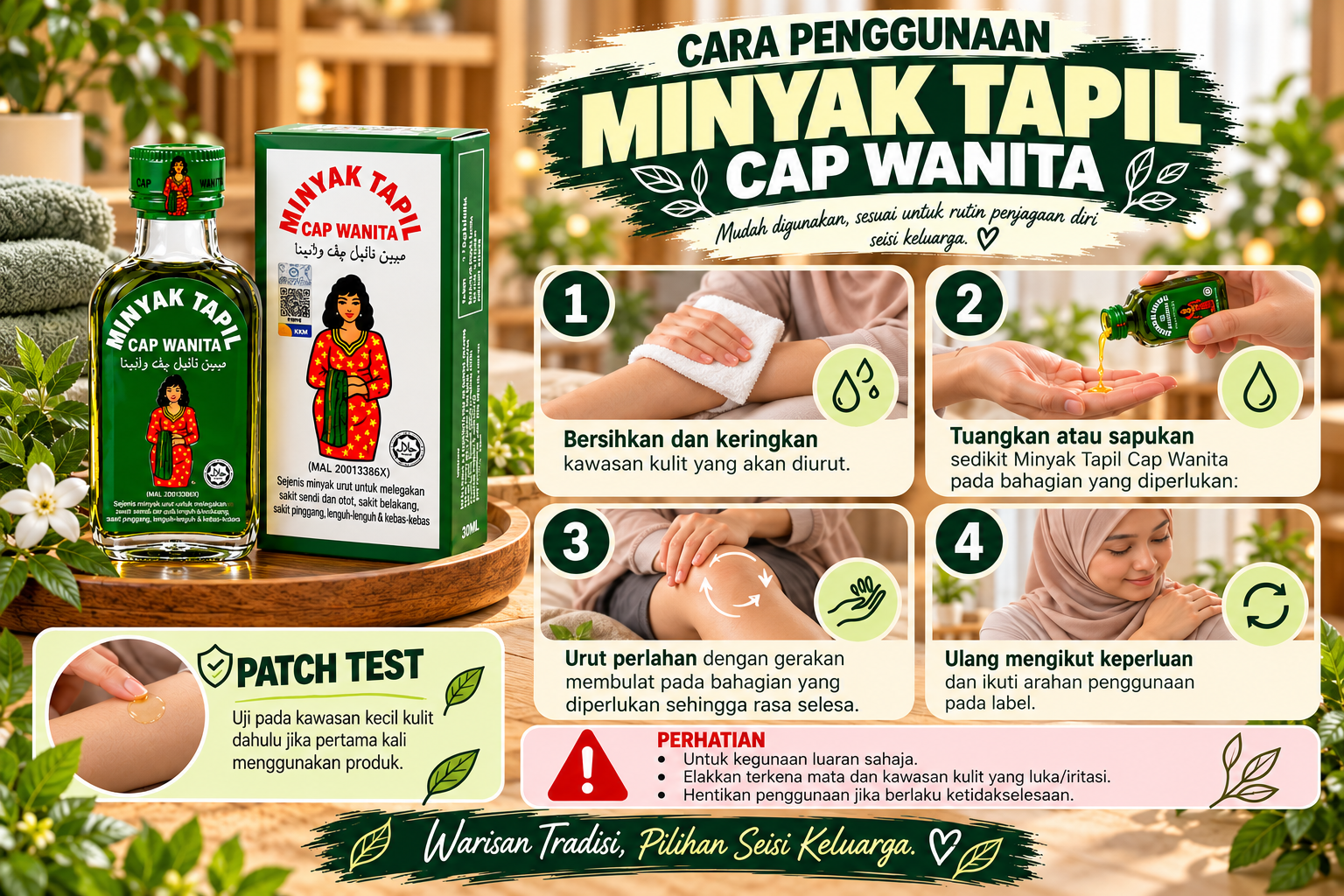
How to Use Minyak Tapil 1️⃣ Clean the skin – Ensure the area is clean and dry. 2️⃣ Apply a small amount – Use on the desired area. 3️⃣ Massage gently – Massage...
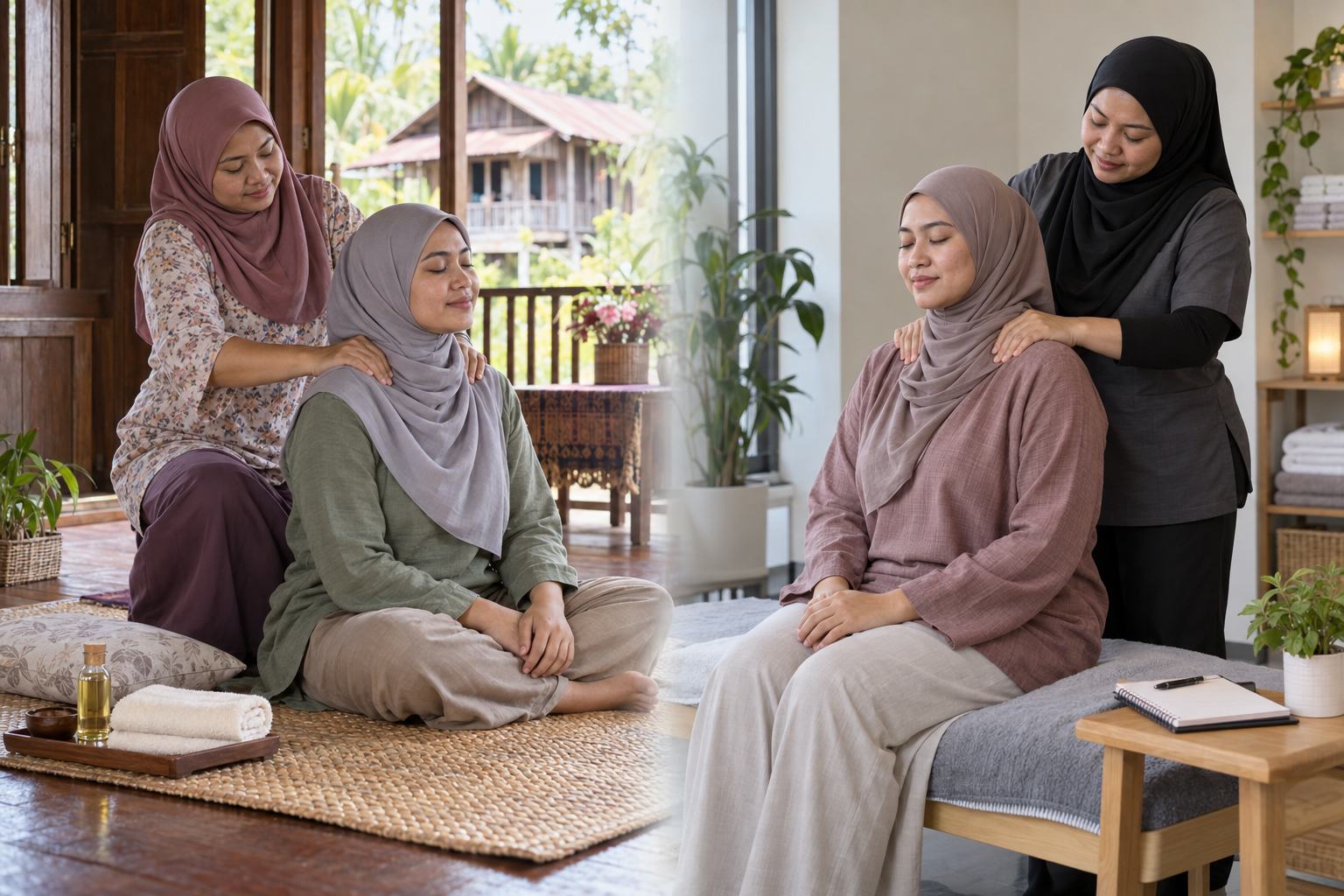
Traditional massage has evolved from village-based practices into more structured urban services. Family heritage can be complemented by formal training, hygiene, consent, and ethics without losing its identity. Social media should be used responsibly. Minyak Tapil Cap Wanita can support relaxation massage, but the true value lies in the practitioner’s knowledge, conduct, and professionalism.
In village settings, massage practitioners were often known through family members or neighbours. Appointments were made directly, and clients may already have known the practitioner’s background. Sessions took place at the practitioner’s or client’s home using simple items such as mats, pillows, towels, and massage oil.
Familiarity created a sense of trust, but not every traditional practice necessarily meets today’s safety requirements. Reusing towels, using unlabelled products, or failing to record relevant health information are practices that should be improved. Respecting tradition does not mean preserving practices that may create unnecessary risks.
In urban areas, traditional massage is offered through spas, wellness centres, selected clinics, and mobile services. Clients make appointments through applications or social media, compare reviews, and select convenient times. Practitioners must manage schedules, receipts, treatment spaces, privacy, and a wider range of client expectations.
This structure can support professionalism when accompanied by clear service descriptions, clean linen, and a proper consent process. However, luxurious décor or a large social-media following does not prove a practitioner’s qualifications. Consumers should still verify the practitioner’s training and relevant practice certificates.
Online reviews can provide an initial indication, but they do not replace proper verification. Pay attention to repeated complaints concerning excessive pressure, poor hygiene, non-consensual touching, or unreasonable treatment promises. Comments about clear communication and a practitioner’s willingness to adjust pressure are more useful than general praise.
Research on Malay massage shows that practitioners may acquire their knowledge through family heritage and learning from a teacher. In modern practice, knowledge of basic anatomy, contraindications, hygiene, and ethics can complement traditional skills. Documentation also helps practitioners describe terminology and movements more consistently.
Brief records of preferred pressure, products used, and areas to avoid can also support returning clients, provided that personal information is stored securely.
Formal training should not erase the identity of a practitioner’s teacher or family tradition. Instead, practitioners can honestly explain both sources of their learning: the heritage they received and the safety education they completed. This combination provides consumers with a more complete understanding of their background.
Short videos make massage techniques accessible to a wider audience, but they may remove important context. Appropriate pressure, health history, and the client’s reactions are not always visible in a recording. Viewers should not imitate forceful stretches or joint manipulation simply because the movements appear easy.
Marketing should also avoid exaggerated promises, such as correcting internal organs, removing toxins, or curing diseases in a single session. Honest educational content may be less dramatic, but it is safer and helps build long-term trust.
Although locations and technology may change, several values should remain: controlled hand movements, clear communication, respect for the body, and a willingness to stop when necessary. Modern practitioners should also recognise when someone needs to be referred to a healthcare professional.
Minyak Tapil Cap Wanita can be part of this transition as a topical oil used for relaxation massage according to its label directions and the user’s skin suitability. The product may enhance the massage experience, while the true heritage remains in the knowledge, conduct, and responsibility of the person using it.
Jimmy
Updated
Information on this site is for general information only and is not a substitute for professional medical advice. Consult a qualified healthcare practitioner for any health condition.
How to Use Minyak Tapil 1️⃣ Clean the skin – Ensure the area is clean and dry. 2️⃣ Apply a small amount – Use on the desired area. 3️⃣ Massage gently – Massage...
Key points to understand There is no single movement sequence that represents every Malay practitioner. Long strokes, kneading, focused pressure, aromatic oils...
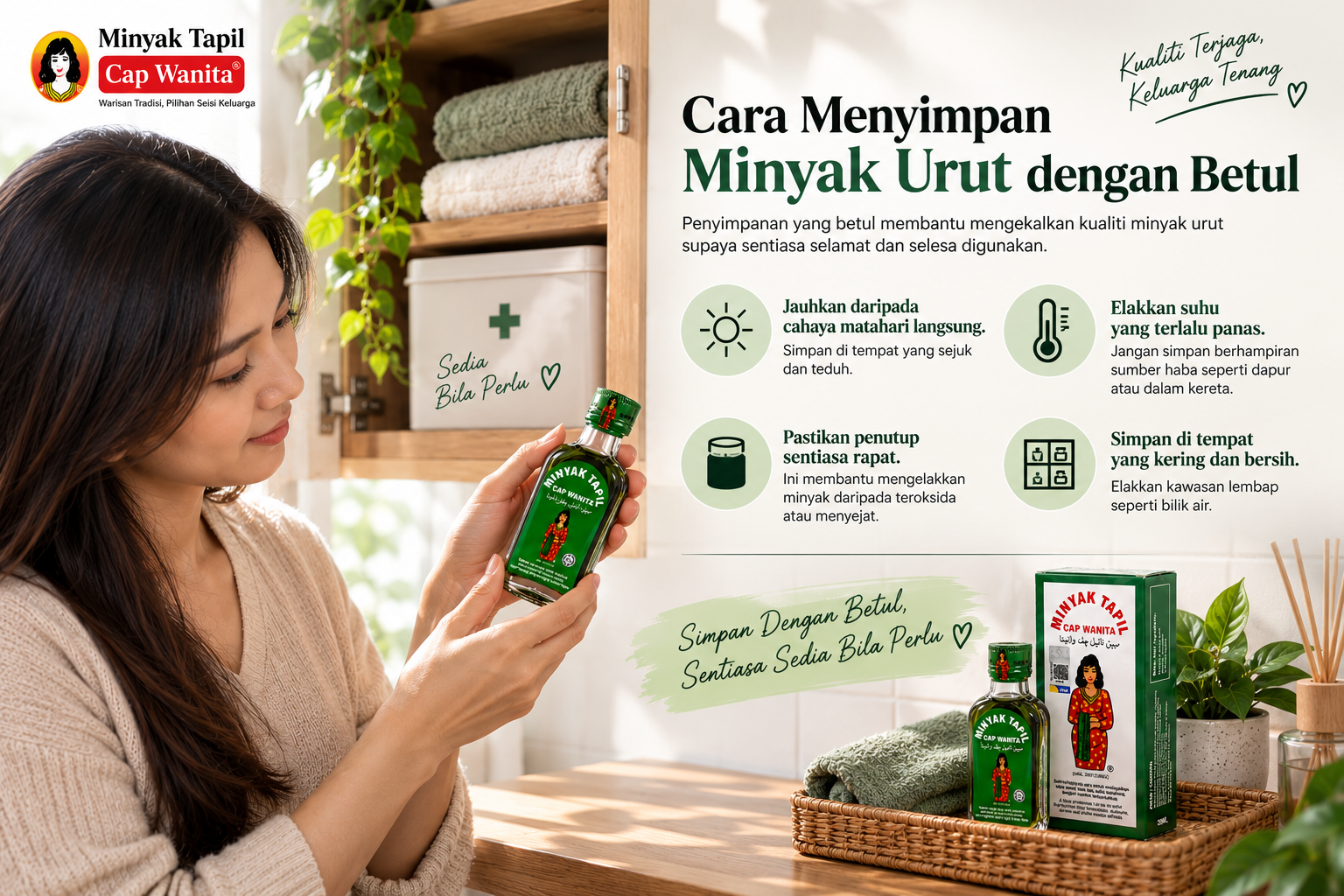
Key points to understand Oil should remain in its original container or a clean, labelled dispenser. Replace the cap after use and do not let the bottle opening...
Install App