When Should Massage Be Avoided? Warning Signs to Know
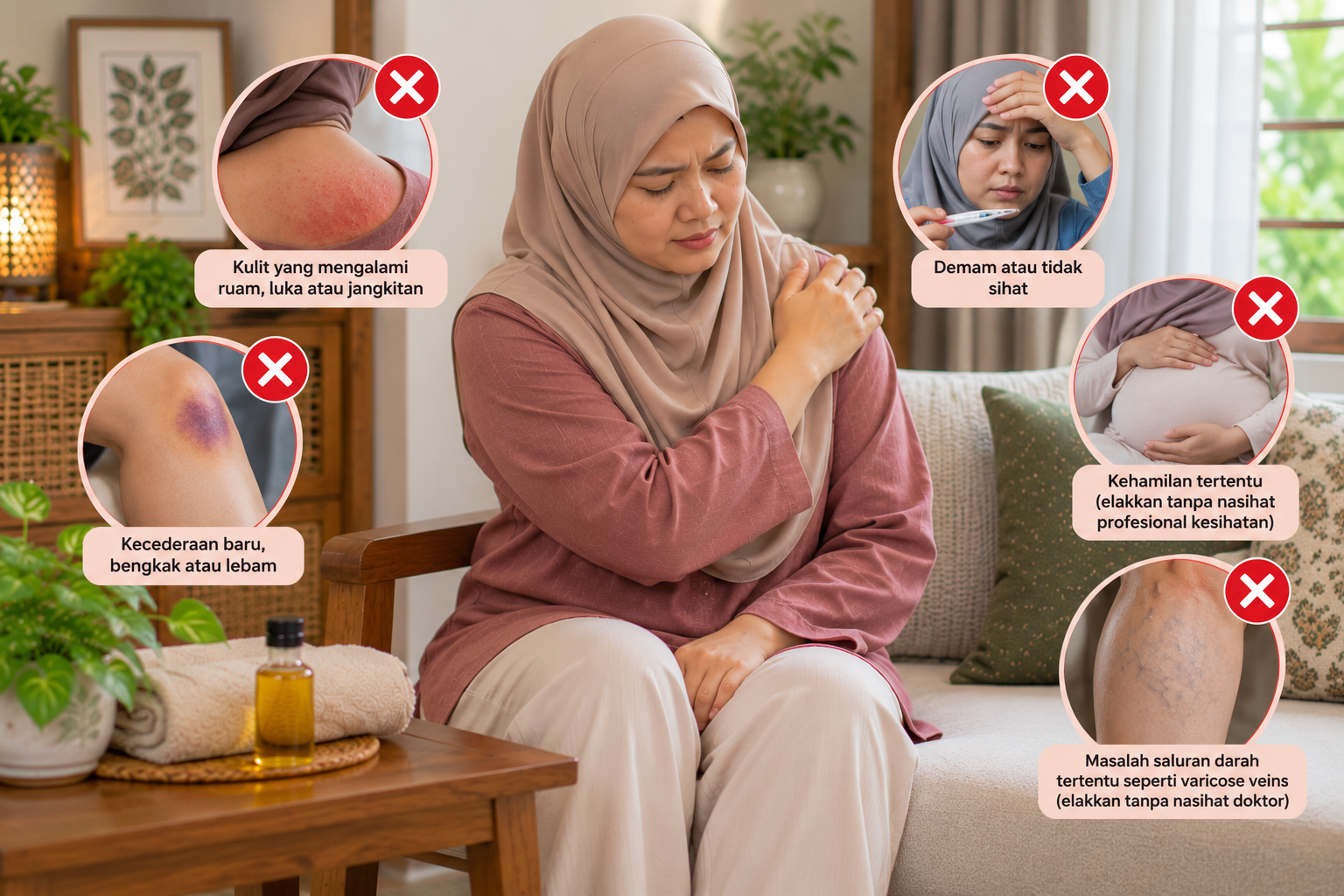
Key points to understand Local problems such as open wounds, infection, burns, recent sprains and suspected fractures should not be massaged. General warning si...
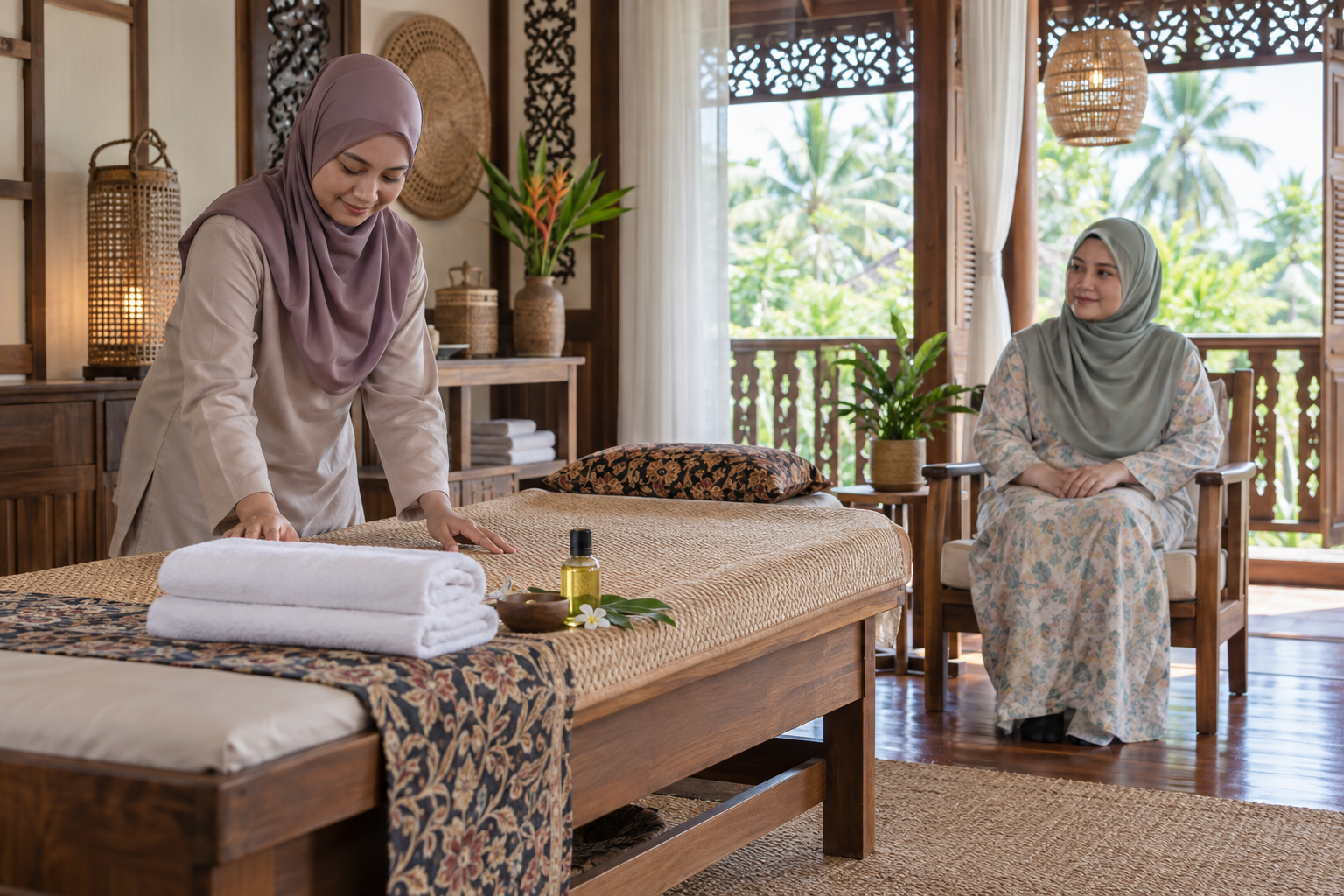
East Coast massage traditions are passed down through families, observation, and training, but practices vary by district, practitioner, and individual needs. Safety, consent, modesty, and the appropriate use of oils should be prioritized. When adapted to modern practices in cities, these traditions continue to evolve while preserving their cultural and emotional value.
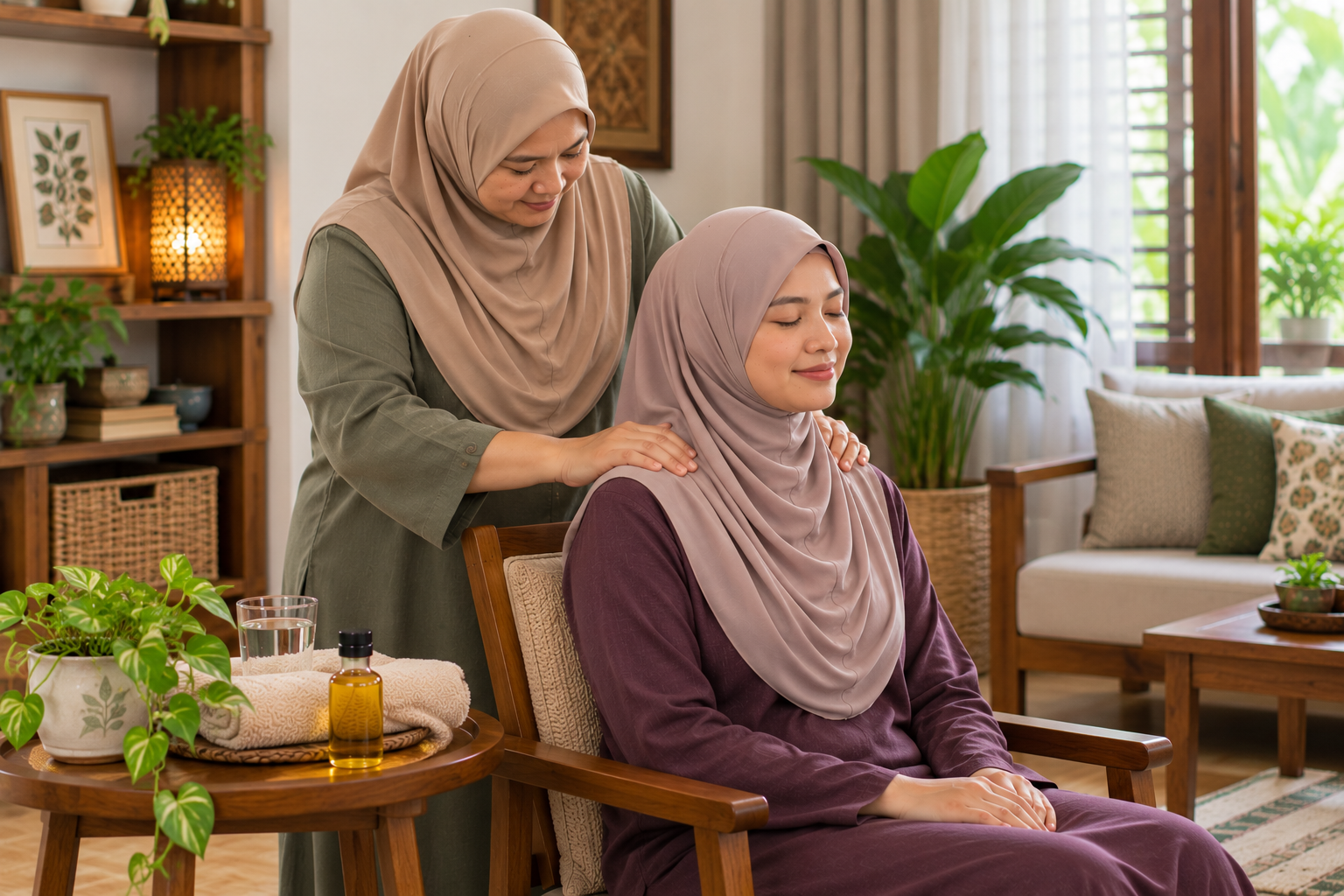
On the East Coast, stories about traditional midwives, massage practitioners, and postpartum care often form part of family memories. This knowledge may be passed down through observation from a young age—preparing towels, warming the room, learning about different oils, and watching how elders communicate with massage recipients. As learners grow older, they may begin practising simple techniques under supervision.
However, this does not mean that every family in Kelantan, Terengganu, or Pahang follows the same practices. These states cover large areas, and each district has its own history and network of teachers. Responsible articles should avoid generalisations such as “all Kelantan massages use strong pressure” or “all Terengganu massages use certain ingredients.”
The East Coast includes coastal communities, agricultural areas, towns, and inland regions. Fishermen, traders, farmers, office workers, and tourism operators use their bodies in different ways. Practitioners serving these communities usually adapt each session to the needs of the people around them.
These adaptations may influence which parts of the body are commonly massaged, but they should not be treated as a diagnosis. Pain after work can have many possible causes. If there is an injury, numbness, weakness, unusual swelling, or worsening pain, massage should be avoided until the condition has been properly assessed.
The amount of pressure used should also be adjusted according to the person’s age, comfort, and individual condition—not based on general assumptions about people from the East Coast.
Trust in a massage practitioner is often built through family reputation and word-of-mouth recommendations. Friendly, familiar language can help recipients explain which level of pressure feels comfortable. However, a close relationship does not remove the need for consent. Practitioners should ask permission before touching each area and use appropriate coverings to protect the recipient’s dignity.
Recipients have the right to request lighter pressure, limit the areas being massaged, or stop the session. These principles reflect both the value of respecting others and modern professional practices. Etiquette is not merely a cultural detail—it is part of ensuring safety.
Aromatic oils are often mentioned in traditional massage experiences. Some families have their own preferences based on what is locally available or passed down through generations. However, homemade preparations may not always have consistent concentrations. Commercial products should have clear labels, while concentrated essential oils should not be applied directly to the skin without a suitable formulation.
Certain aromas may bring back memories of home or of someone who once provided care. This emotional value can be appreciated without claiming that a particular scent can cure an illness. Sensory experiences should always be distinguished from medical claims.
Many practitioners and families from the East Coast have moved to the Klang Valley or other cities. They bring with them their language, preferred oils, and the sequence of movements they have learned. When these techniques are adapted to modern massage tables, customer schedules, and premises regulations, the tradition does not necessarily disappear—it simply takes on a new form.
For routines involving gliding strokes, Minyak Tapil Cap Wanita may be gently introduced as a topical massage oil to help the hands move smoothly, provided it is suitable for the skin and used according to the label instructions. What should be preserved from the tradition are its skills, etiquette, and honesty about the limitations of massage.
Jimmy
Updated
Information on this site is for general information only and is not a substitute for professional medical advice. Consult a qualified healthcare practitioner for any health condition.
Key points to understand Local problems such as open wounds, infection, burns, recent sprains and suspected fractures should not be massaged. General warning si...
Key points to understand A gentle shoulder routine can support relaxation, but it does not correct an undiagnosed neck or nerve problem. Work posture, screen he...
Key points to understand The giver should ask about pain, injury, surgery, pregnancy, medicines and relevant health conditions. The room should be stable, well...
Install App