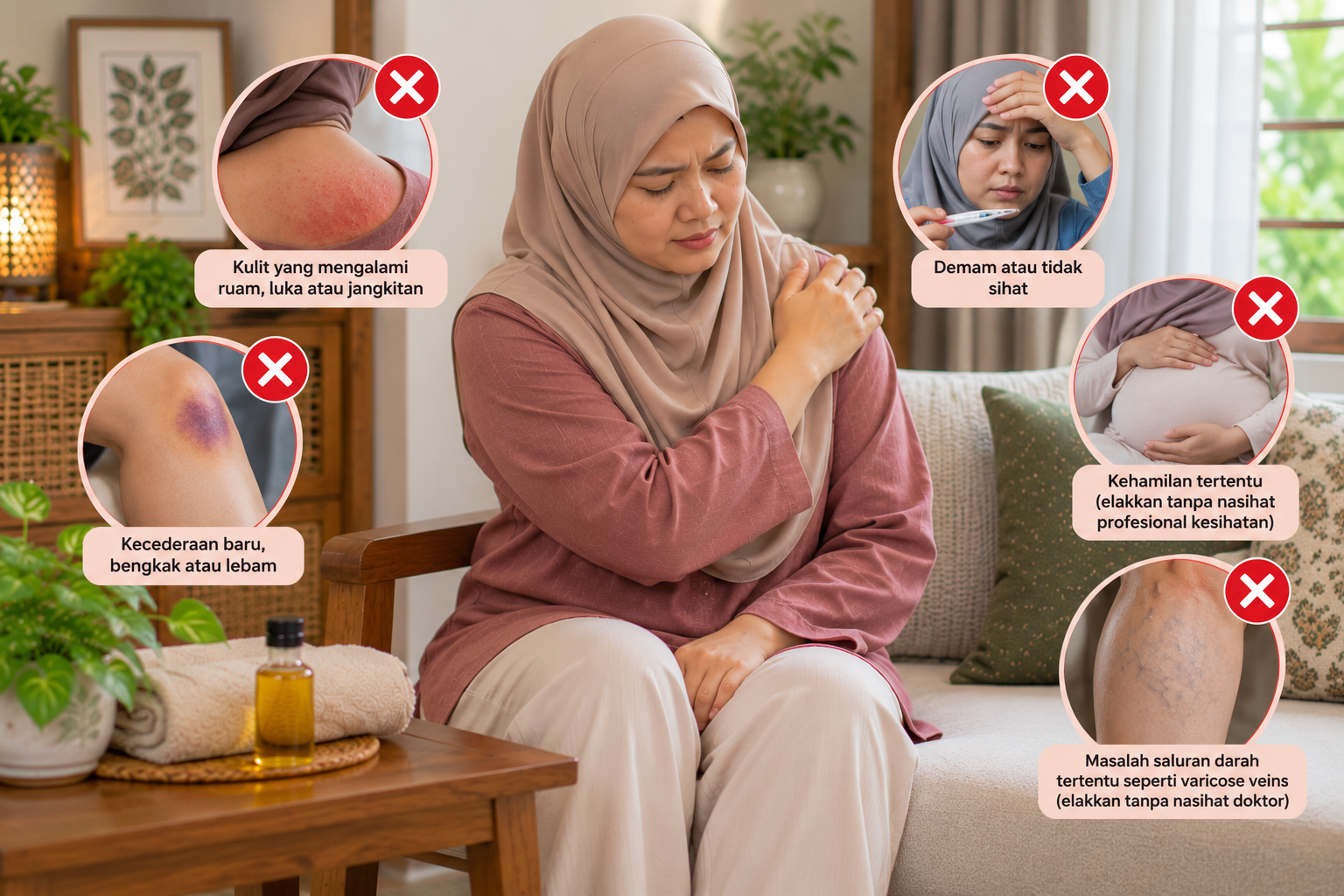
When Should Massage Be Avoided? Warning Signs to Know
Key points to understand Local problems such as open wounds, infection, burns, recent sprains and suspected fractures should not be massaged. General warning si...
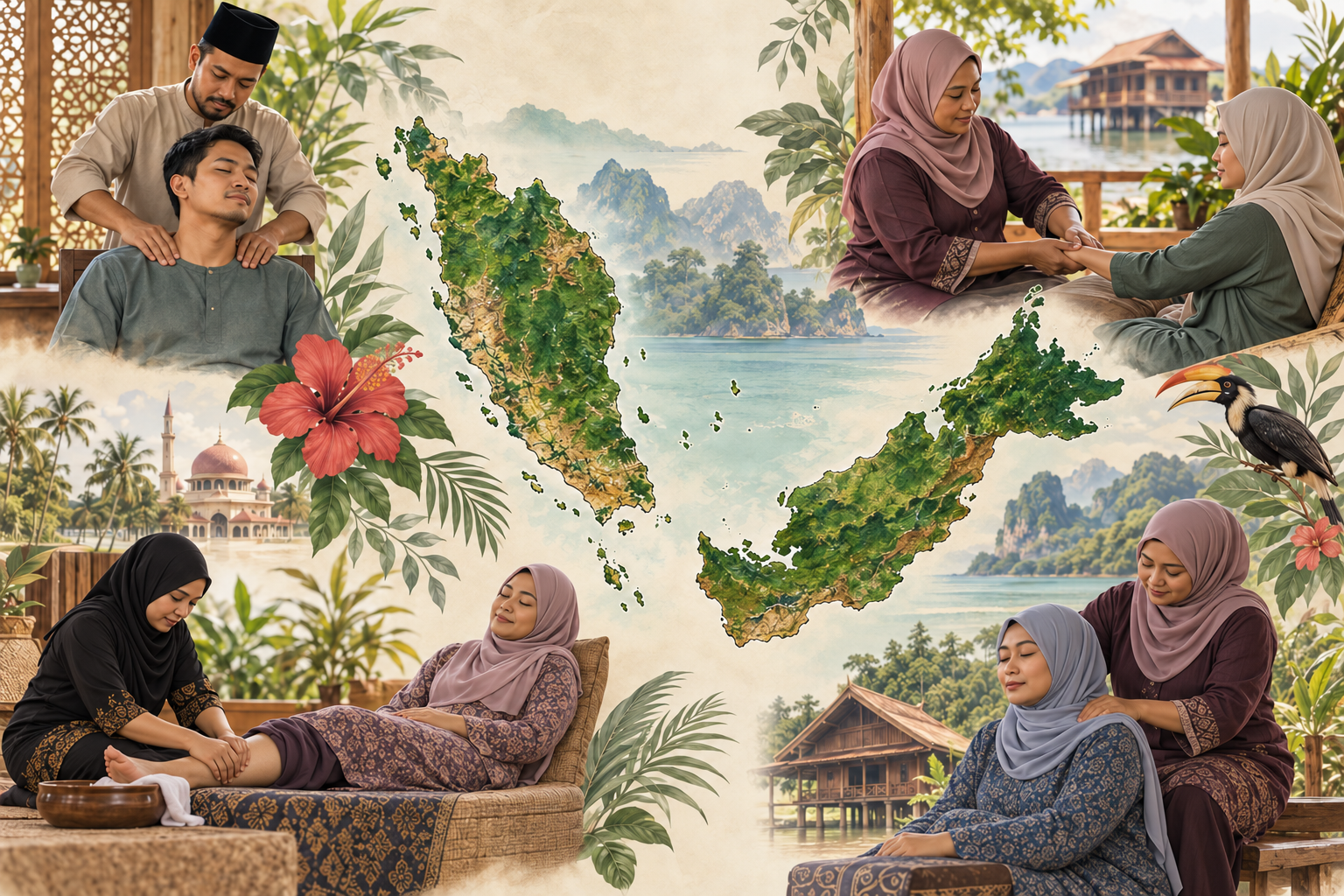
Traditional Malay massage is not defined by a single formula for each state. Instead, it evolves through family heritage, experience, lifestyle, and knowledge sharing. Techniques, pressure, ingredients, and settings may vary between practitioners. State identity provides cultural context, while skill, consent, adaptability, and safety determine the quality of the massage experience.
Searches for “traditional massage by state” often begin with the assumption that each state has one clearly defined and uniform style. In reality, Malay massage knowledge is largely passed down through families, teachers, and practical experience. Two practitioners from the same district may use different sequences of movements, pressure levels, and oils, while practitioners from different states may share many similarities.
Qualitative research involving Malay massage practitioners has identified common themes such as techniques, ethics, massage purposes, complementary practices, and sources of knowledge. These findings suggest that certain characteristics can be discussed within a general framework. However, this does not mean that all practitioners follow the same protocol or that state boundaries determine every movement.
Occupations and daily routines can influence which parts of the body receive the most attention. Communities involved in gardening, farming, fishing, workshop activities, or jobs requiring prolonged standing may experience different types of physical discomfort. Local massage practitioners develop their experience based on the people they treat.
This does not mean that a particular occupation has a medically proven “special massage.” It is more accurately understood as practical adaptation. Practitioners ask which areas feel tense, observe the recipient’s movements, and adjust the pressure according to feedback. The ability to adapt their touch is often more important than the name of the massage style.
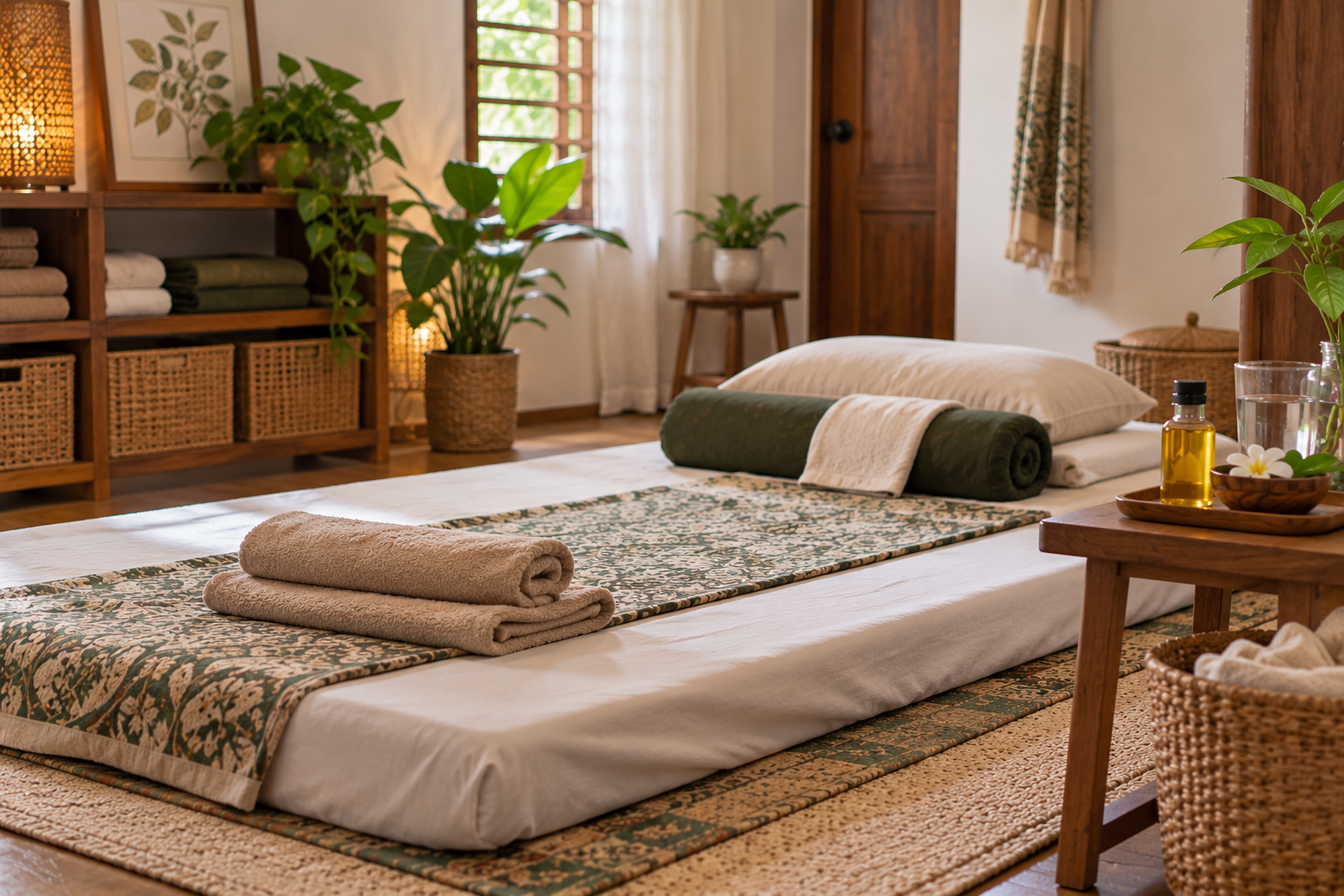
Massage oils, aromas, towels, positions, and complementary practices may differ between households and communities. Some families use herbal-scented oils, while others prefer oils without strong fragrances. Some sessions take place on thin mattresses, while others are performed on modern massage tables.
Traditional ingredients should be discussed with care. Generational use does not guarantee that an ingredient is suitable for every skin type. Products should be properly labelled, used according to instructions, and avoided on broken skin. When ingredients are prepared at home, users may not know their concentration or stability.
When families relocate for education, employment, or marriage, massage knowledge travels with them. A practitioner in Selangor may inherit techniques from family members in Kelantan, study under a teacher in Kedah, and serve clients from various backgrounds. Training centres and digital media have further accelerated the exchange of techniques.
Therefore, state labels are more suitable for describing a practitioner’s origins than for guaranteeing what a massage session will involve. Readers may wish to ask whom the practitioner learned from, how the pressure is adjusted, and what safety measures are followed.
Traditional massage can be appreciated as a heritage of touch, skill, and community connection. At the same time, symptoms such as chest pain, shortness of breath, sudden weakness, fever, or serious injury require medical assessment. Massage is not a substitute for diagnosis.
In any massage style involving gliding strokes, Minyak Tapil Cap Wanita may be gently introduced as a topical massage oil that helps facilitate hand movements, provided it is suitable for the skin and used according to the label. State identity provides the cultural story, but safety, consent, and the practitioner’s skill determine the quality of the experience.
Awang Kinchai
Updated
Information on this site is for general information only and is not a substitute for professional medical advice. Consult a qualified healthcare practitioner for any health condition.
Key points to understand Local problems such as open wounds, infection, burns, recent sprains and suspected fractures should not be massaged. General warning si...
Key points to understand A gentle shoulder routine can support relaxation, but it does not correct an undiagnosed neck or nerve problem. Work posture, screen he...
Key points to understand The giver should ask about pain, injury, surgery, pregnancy, medicines and relevant health conditions. The room should be stable, well...
Install App