When Should Massage Be Avoided? Warning Signs to Know
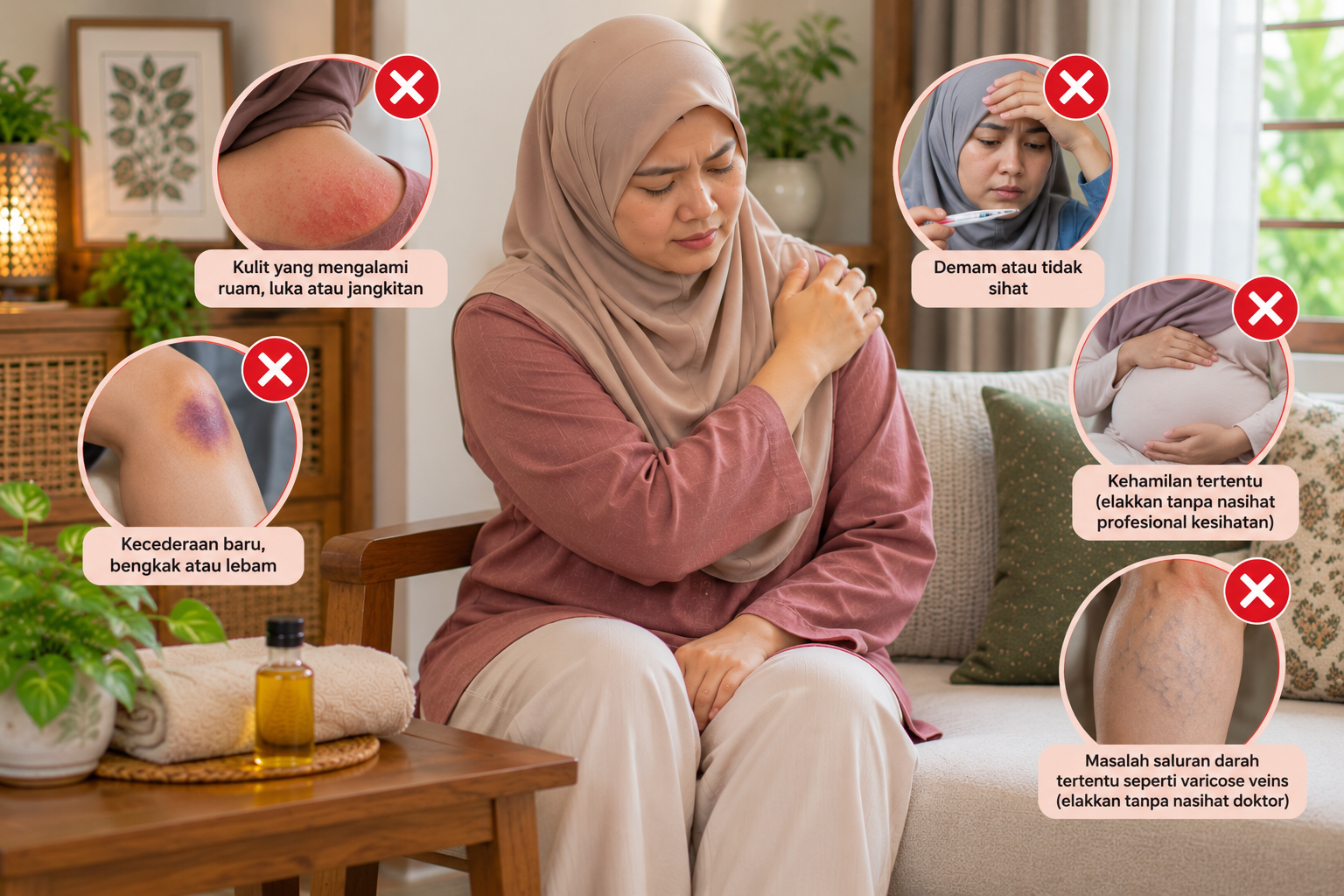
Key points to understand Local problems such as open wounds, infection, burns, recent sprains and suspected fractures should not be massaged. General warning si...

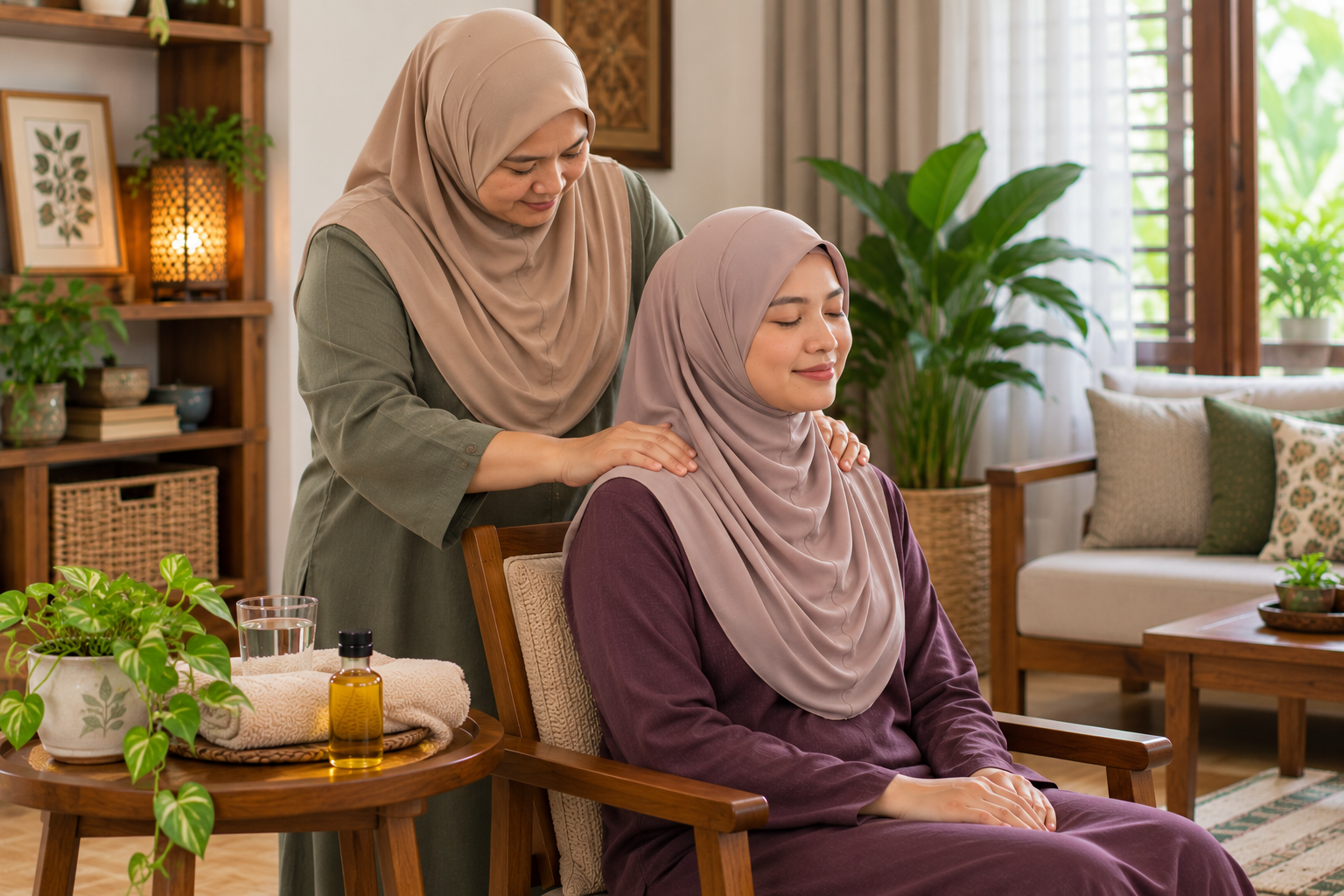
Shiatsu is a Japanese massage technique that uses rhythmic pressure on the body, usually performed over loose-fitting clothing without much oil. The pressure should be comfortable, controlled, and applied with the recipient’s consent—not to the point of causing pain. Shiatsu may support relaxation and well-being, but it is not a substitute for medical treatment. Minyak Tapil Cap Wanita may be applied externally after the session if it is suitable for the skin and used according to the label instructions.
“Shiatsu” is a Japanese term commonly translated as “finger pressure.” In practice, practitioners may use their thumbs, fingers, palms, and sometimes parts of their arms to apply rhythmic pressure. Sessions are often performed over loose-fitting clothing and generally do not require much oil.
Like other massage traditions, Shiatsu is not practised uniformly worldwide. A practitioner’s training background, school of practice, and the recipient’s needs may influence the pace, positioning, and pressure intensity. Before booking a session, ask whether stretching is involved, how long pressure is held, and what clothing is appropriate.
Pressure is usually applied in a controlled, repetitive manner rather than suddenly. The practitioner may move from one area to another while maintaining a steady rhythm. Some people find this consistent pattern calming because they can anticipate the next touch.
However, pain is not proof that a “knot” is being released or that a problem is being removed. Excessive pressure may cause bruising or trigger pain. Recipients should speak up immediately if the pressure feels sharp, stabbing, numbing, or unsafe. A good practitioner will adjust the technique without blaming the recipient.
Some schools of Shiatsu describe the body using concepts such as pathways or energy balance. These concepts have value within the history and language of the tradition, but they are not equivalent to anatomical structures validated by modern science. Responsible educational articles should clearly explain this distinction.
Shiatsu can be discussed as an experience of touch, relaxation, or well-being without promising to cure diseases. Persistent symptoms should be assessed and diagnosed by a qualified healthcare professional. Massage may be a complementary option for some individuals, but it is not a substitute for necessary treatment.
Although recipients remain clothed, consent is still essential. Practitioners should explain which areas will be touched and obtain permission before working near the chest, hips, or other sensitive areas. Recipients may ask for any area to be avoided without providing a lengthy explanation.
Inform the practitioner about pregnancy, previous surgery, osteoporosis, blood-clotting disorders, the use of blood-thinning medication, joint injuries, or a tendency to bruise easily. Massage should be postponed if there is a fever, infection, open wound, or acute pain that has not been medically assessed.
Without proper training, avoid imitating deep-pressure techniques or complex stretches shown in videos. For a family routine, light palm pressure on the shoulders or feet is more reasonable. Maintain a stable position, keep the session brief, and ensure the recipient can provide feedback throughout.
Traditional Shiatsu does not usually rely on oil. However, if the routine ends with a gentle application to the skin, Minyak Tapil Cap Wanita may be introduced as an optional topical massage oil, used according to its label and after confirming skin suitability. The product should complement the experience of touch—not justify stronger pressure or treatment claims.
Jimmy
Updated
Information on this site is for general information only and is not a substitute for professional medical advice. Consult a qualified healthcare practitioner for any health condition.
Key points to understand Local problems such as open wounds, infection, burns, recent sprains and suspected fractures should not be massaged. General warning si...
Key points to understand A gentle shoulder routine can support relaxation, but it does not correct an undiagnosed neck or nerve problem. Work posture, screen he...
Key points to understand The giver should ask about pain, injury, surgery, pregnancy, medicines and relevant health conditions. The room should be stable, well...
Install App