When Should Massage Be Avoided? Warning Signs to Know
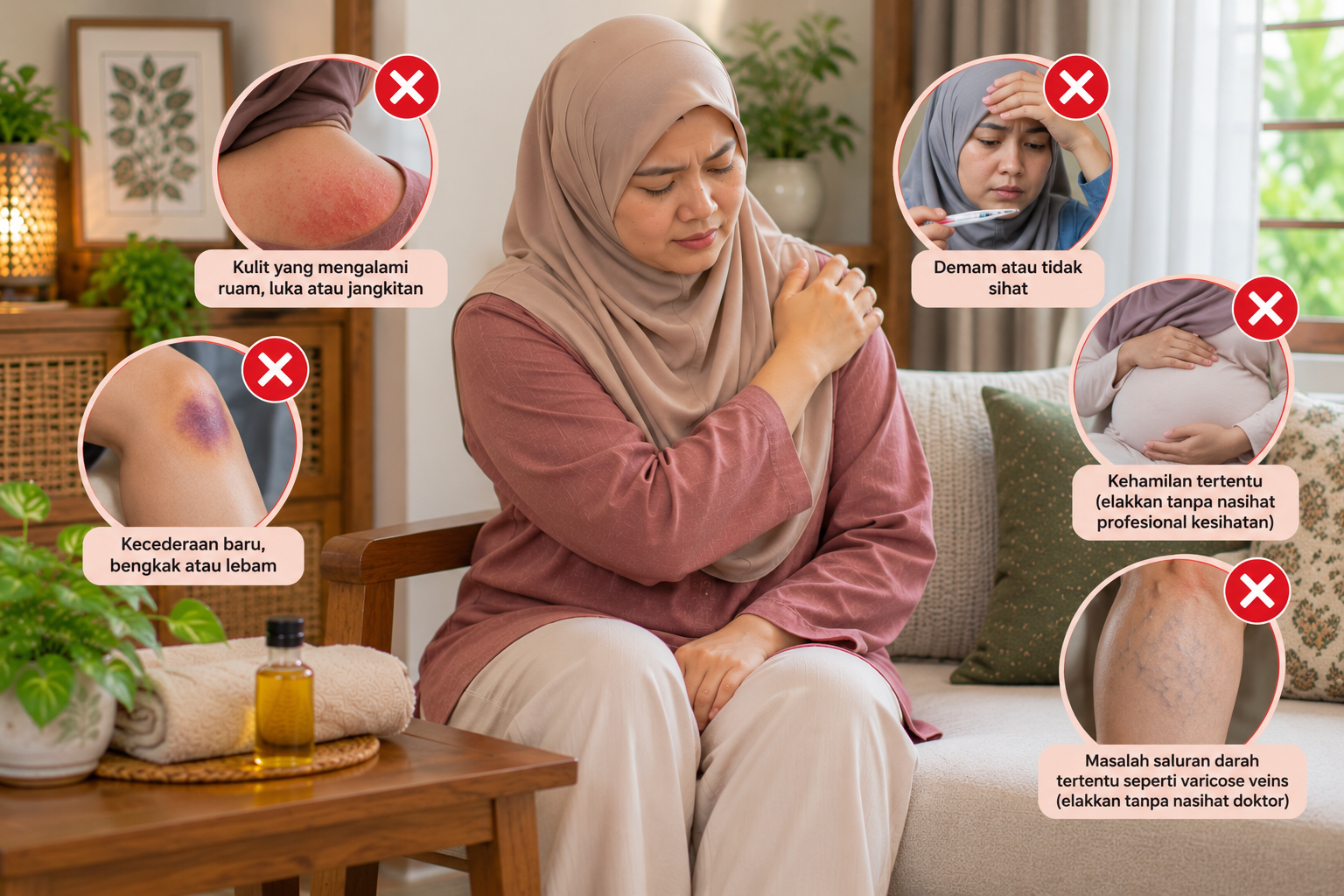
Key points to understand Local problems such as open wounds, infection, burns, recent sprains and suspected fractures should not be massaged. General warning si...

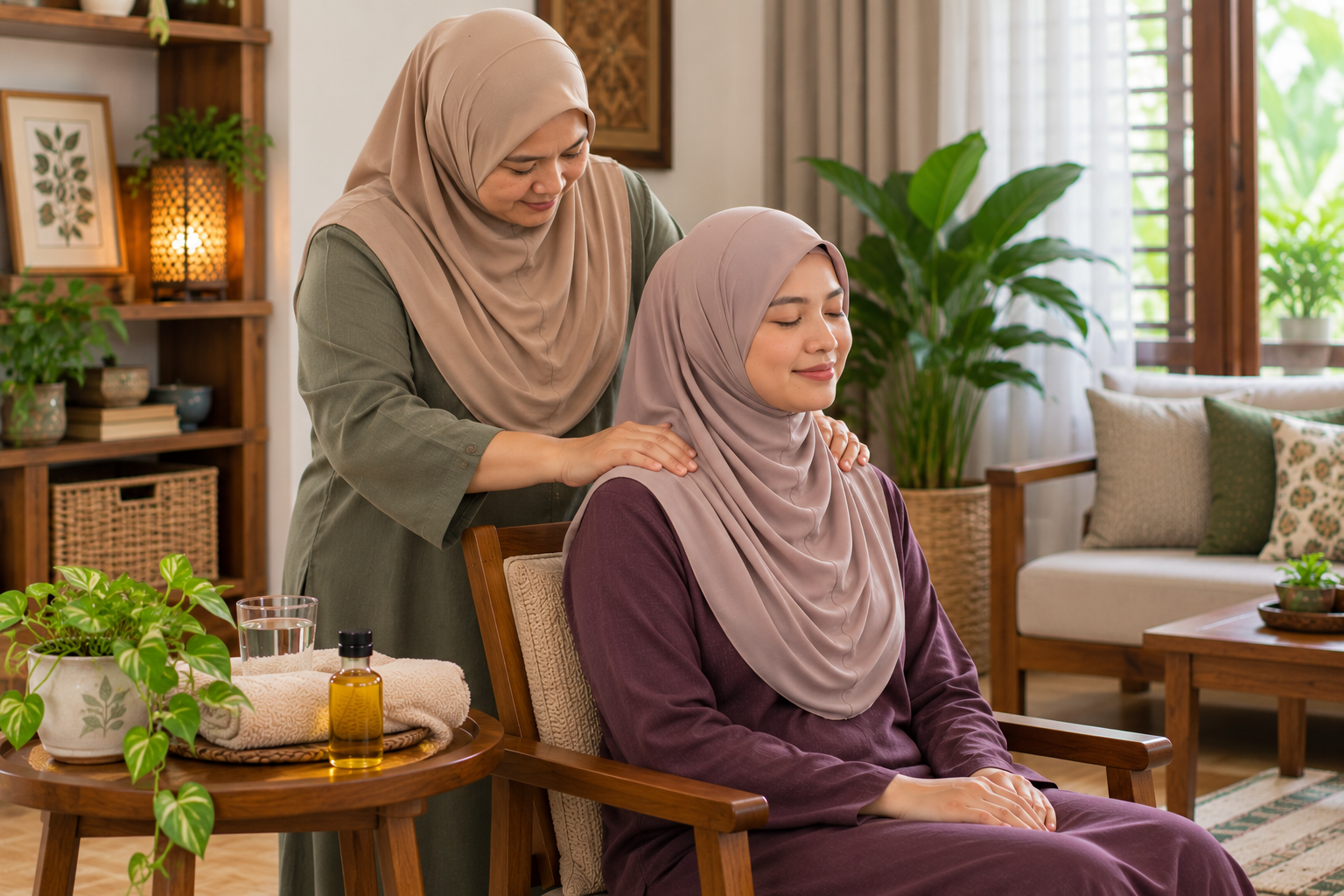
Balinese massage is a Bali-inspired spa experience combining long strokes, kneading, gentle pressure, oils, and aromas in a calming atmosphere. As techniques, pressure levels, and products may vary, hygiene, consent, privacy, and skin compatibility should be prioritised. For home routines, use a properly labelled product such as Minyak Tapil Cap Wanita according to its directions, with slow movements and controlled pressure for a comfortable, respectful, and safe experience.
When people hear “Balinese massage,” they may imagine aromatic oils, soft music, flowers, and flowing strokes. This image has been strongly influenced by the spa and tourism industries. In different places, the same label may refer to various combinations of techniques, including long strokes, kneading, thumb pressure, or gentle stretching.
Therefore, it is safer to view “Balinese massage” as a category of Bali-inspired spa experiences rather than a single protocol representing all traditions on the island. Clients can appreciate the atmosphere and the practitioner’s skills while asking clearly what will be performed during the actual session.
Oil helps the hands glide over the skin and may contain aromatic ingredients. Citrus, floral, woody, or herbal scents are often used to create a relaxing atmosphere. However, “natural” does not mean risk-free. Essential oils that are too concentrated may irritate the skin, while certain fragrance ingredients may trigger allergic reactions.
Ask about the product being used, whether it has been diluted in a suitable formulation, and whether a fragrance-free option is available. If you have eczema, highly sensitive skin, scent-triggered asthma, or a history of fragrance allergies, inform the practitioner before the session. A small patch test may help, although it cannot guarantee that a reaction will not occur later.
Long strokes may be used to spread the oil, followed by kneading movements on the shoulders, back, or legs. Some practitioners use their thumbs to apply more focused pressure. The pressure level should be guided by the recipient’s feedback rather than the assumption that the client wants a strong massage.
Recipients should understand that sharp pain, numbness, or a burning sensation should not be endured. If the practitioner uses a product that creates a warming or cooling sensation, inform them immediately if it becomes too intense. The skin should be checked after the session if any redness persists.
A beautiful atmosphere is no substitute for professional practice. Massage centres should maintain clean linens, privacy, informed consent, and product safety. Practitioners should explain how the body will be covered with towels and ask permission before massaging any area. Recipients have the right to choose the practitioner’s gender where the service offers this option and may stop the session at any time.
Avoid massaging areas with broken skin, infections, recent bruising, or acute injuries. If you are pregnant, have recently undergone surgery, or have certain health conditions, seek appropriate professional advice and choose a practitioner with relevant training.
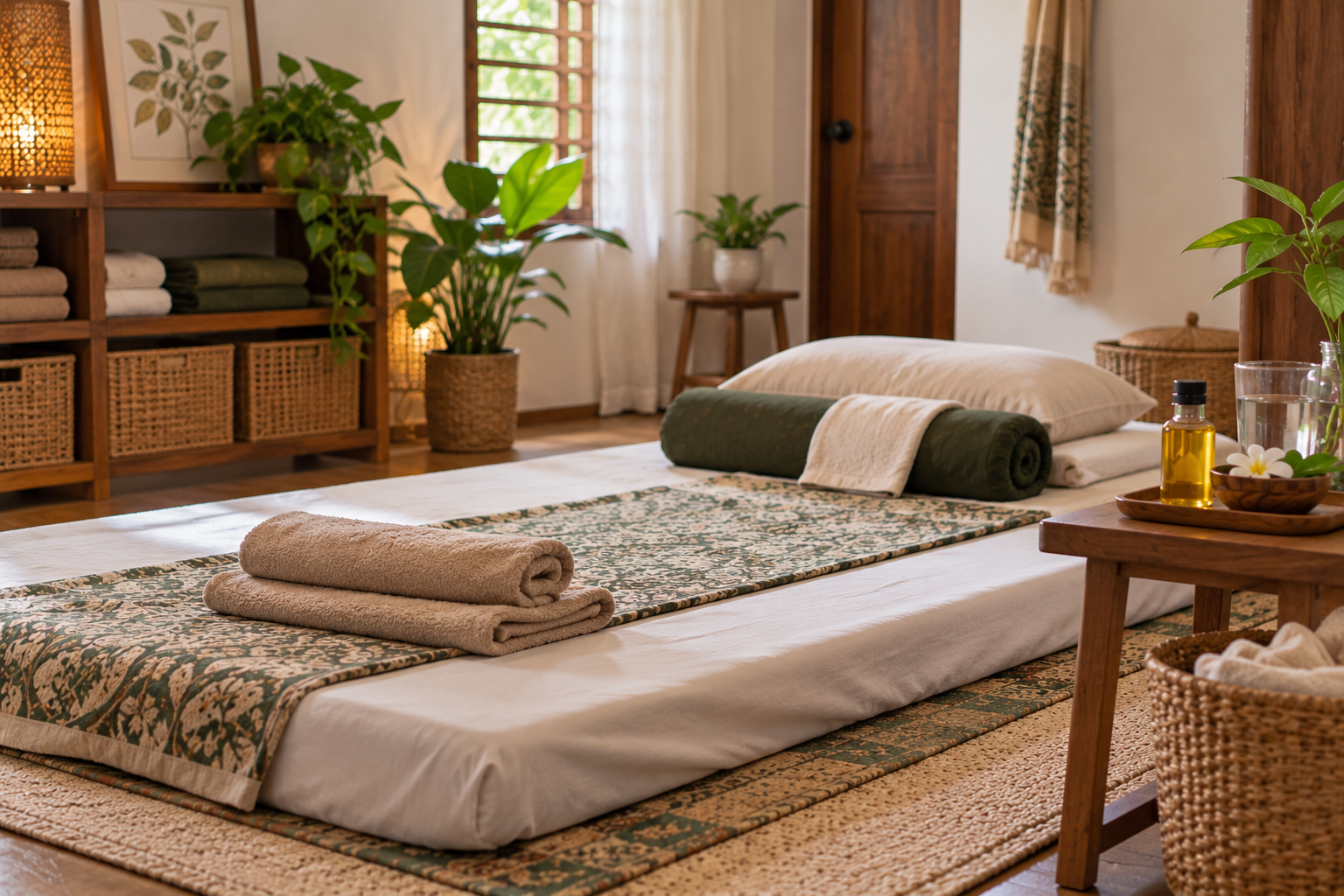
A calming experience can be created without elaborate decorations: use clean towels, comfortable lighting, warm hands, and slow movements. Choose a single properly labelled product and avoid mixing several essential oils yourself, as the final concentration may be difficult to determine. Keep the fragrance mild and ensure the room is well ventilated.
Minyak Tapil Cap Wanita may be gently incorporated into a home massage routine as an externally applied oil to help the hands glide smoothly, provided it is suitable for the skin and used according to the label directions. The true value of the experience lies in respectful touch, controlled pressure, and an atmosphere that makes the recipient feel comfortable and respected.
Awang Kinchai
Updated
Information on this site is for general information only and is not a substitute for professional medical advice. Consult a qualified healthcare practitioner for any health condition.
Key points to understand Local problems such as open wounds, infection, burns, recent sprains and suspected fractures should not be massaged. General warning si...
Key points to understand A gentle shoulder routine can support relaxation, but it does not correct an undiagnosed neck or nerve problem. Work posture, screen he...
Key points to understand The giver should ask about pain, injury, surgery, pregnancy, medicines and relevant health conditions. The room should be stable, well...
Install App