Confinement Days 15-20: Managing Body Aches from Breastfeeding and Carrying a Baby
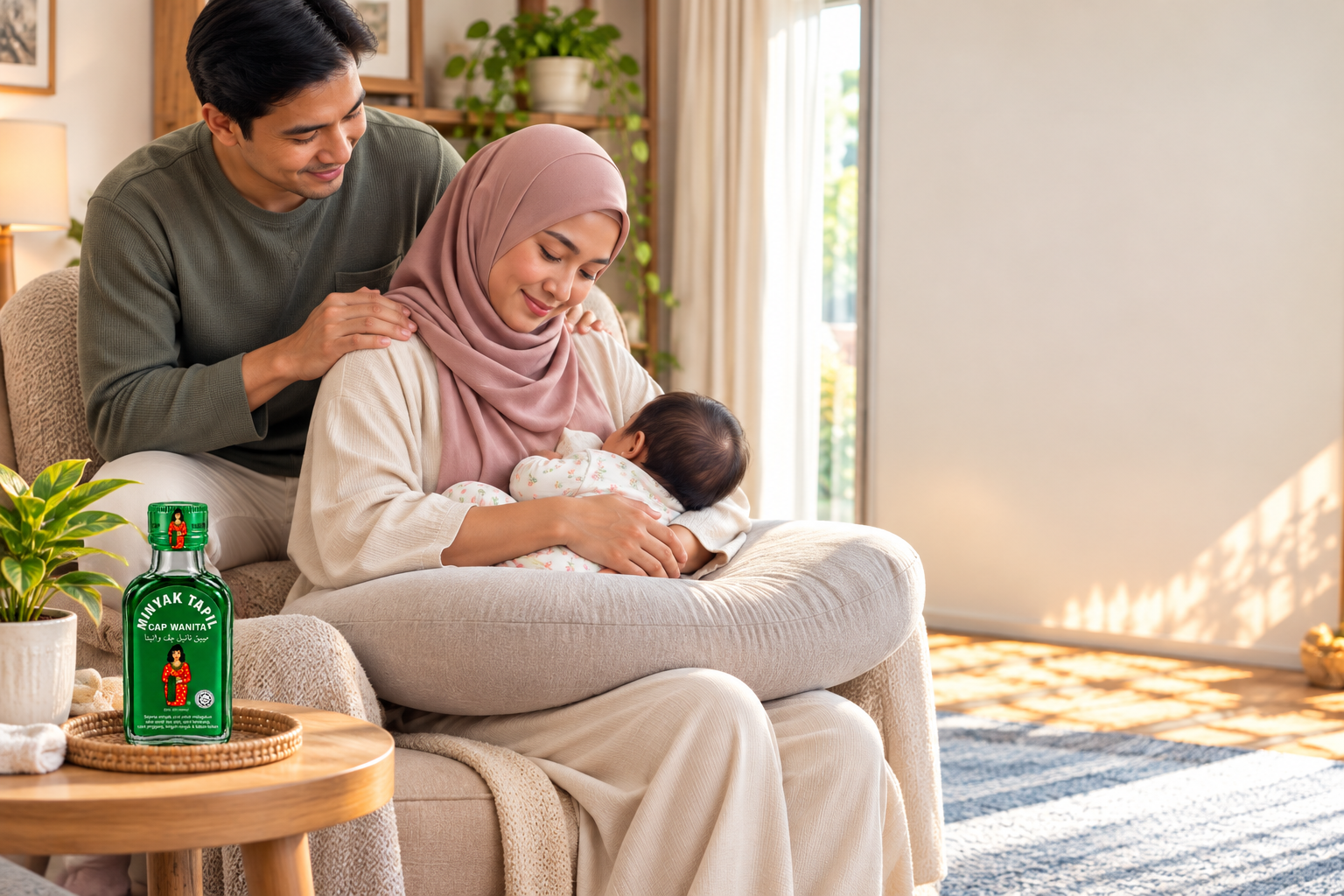
Between Days 15 and 20, baby-care routines become frequent while the mother's body is still recovering. Feeding, carrying, changing nappies and waking at night...

Days 21-30 are a time to increase movement gradually while monitoring bleeding, pain, pelvic pressure and fatigue. Minyak Tapil may be applied to healthy skin after activity as a comfort complement, but its sensation does not mean the body is ready for heavy work. #PostnatalMovement #ConfinementCare #MinyakTapil
Days 21 to 30 can feel like a turning point. Some mothers move more easily, but energy still fluctuates and sleep may remain irregular. A wound that looks good on the outside does not mean all internal tissues have healed. Activity should therefore increase in small steps, with attention to the body's response both on the same day and the next. Begin with basic activities such as slow walking inside the home, personal care and changing seated positions. When a birth was uncomplicated, gentle movement can generally increase as the mother feels able.
A mother recovering from surgery, significant bleeding, anaemia, high blood pressure or another complication needs a more individual plan. Advice from her doctor or physiotherapist takes priority over a general confinement timetable. A simple method is to add only one element at a time. Add a few minutes of walking rather than walking longer while also doing heavy housework. After activity, observe bleeding, pain, pelvic pressure, dizziness and fatigue. If symptoms increase or recovery takes too long, reduce the activity again. Progress is not always linear; rest days are part of the plan.
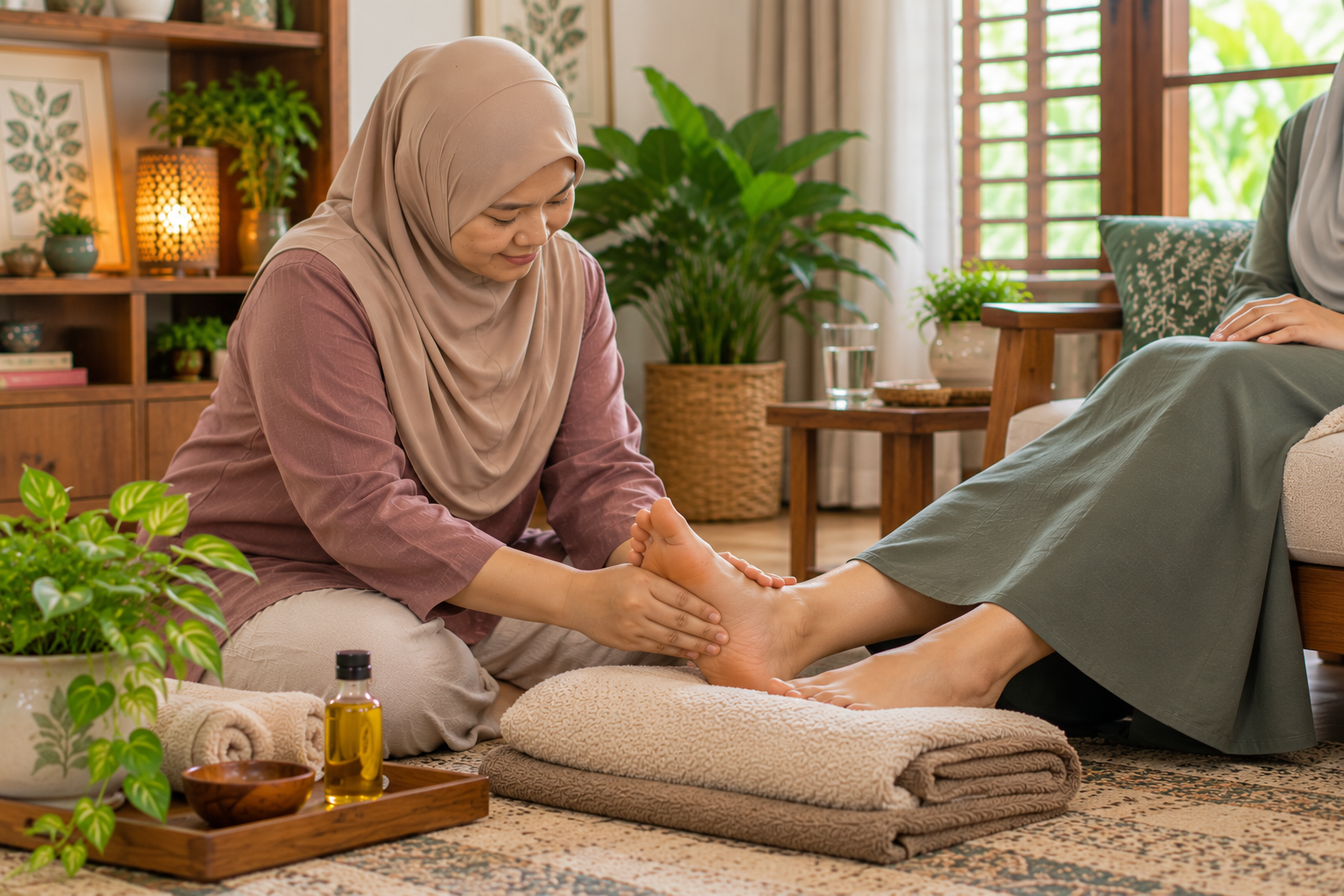
A light application of Minyak Tapil Cap Wanita may be included after activity on areas such as the shoulders, arms or soles where the skin is healthy. Use a small amount and do not interpret the product's sensation as evidence that the body is ready for strenuous exercise. Oil does not strengthen muscles, heal a wound or replace graded recovery. Its role in this routine is to help external strokes feel smoother and create a pause for rest. Massage should also follow a moderate approach. Use the palm, light pressure and slow movement for five to ten minutes. Avoid the abdomen, caesarean wound, perineum, breasts and areas with sharp pain or numbness. Do not massage one leg that is swollen, hot or red. Wash hands after using the oil before touching the baby, and cover the treated area with loose clothing when needed to prevent the baby's direct contact. Alongside movement, pay attention to the pelvic floor and abdomen. Certain exercises may be suitable, but timing and technique should reflect the birth and current symptoms. A heavy sensation in the vagina, significant urinary leakage, pelvic pain or a concerning abdominal bulge should be discussed with a health professional.
Surface massage with oil does not correct these functional issues. By the end of Day 30, the goal is not a step count or the volume of housework completed. Better signs of progress are being able to meet basic needs without worsening symptoms, recognising when rest is required and feeling comfortable asking for help. Minyak Tapil may remain a small complement, while gradual movement, sleep, nutrition and clinical follow-up provide a safer foundation for the routine. Daily progress checklist: assess energy before activity, choose only one extra task and plan a rest afterwards. Keep walking paths dry, wear stable footwear and let a caregiver hold the baby while the mother concentrates on movement. Compare bleeding, pain, pelvic pressure, wounds and fatigue before and after the routine. If symptoms increase that day or the next morning, return to an easier level. A topical oil should never be used to push the body through activity. Keep brief notes for the postnatal check so repeated changes can be explained clearly to a healthcare professional.
Daily progress checklist: assess energy before activity, choose only one extra task and plan a rest afterwards. Keep walking paths dry, wear stable footwear and let a caregiver hold the baby while the mother concentrates on movement. Compare bleeding, pain, pelvic pressure, wounds and fatigue before and after the routine. If symptoms increase that day or the next morning, return to an easier level. A topical oil should never be used to push the body through activity. Keep brief notes for the postnatal check so repeated changes can be explained clearly to a healthcare professional.
Noor Bulan
Updated
Information on this site is for general information only and is not a substitute for professional medical advice. Consult a qualified healthcare practitioner for any health condition.
Between Days 15 and 20, baby-care routines become frequent while the mother's body is still recovering. Feeding, carrying, changing nappies and waking at night...
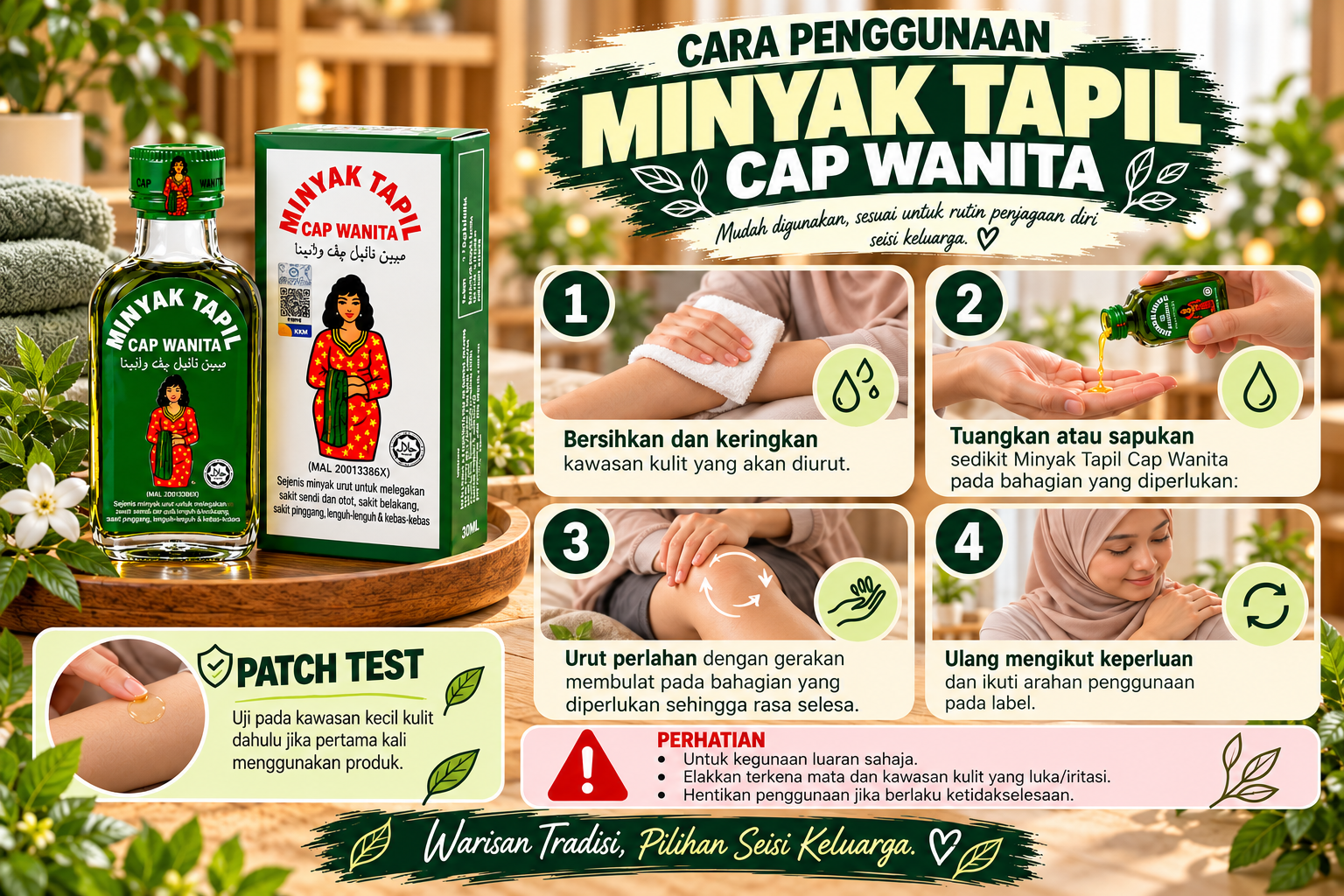
How to Use Minyak Tapil 1️⃣ Clean the skin – Ensure the area is clean and dry. 2️⃣ Apply a small amount – Use on the desired area. 3️⃣ Massage gently – Massage...
Key points to understand A supported, gentle routine may feel comfortable when tiredness is ordinary and both legs appear normal. It is not appropriate to massa...
Install App